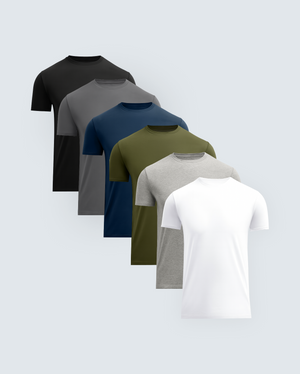
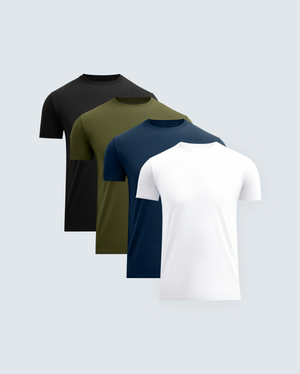
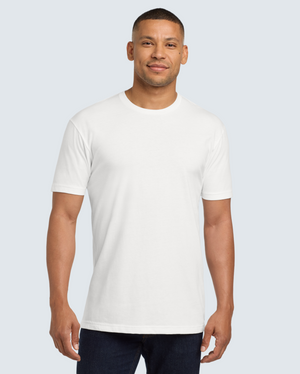
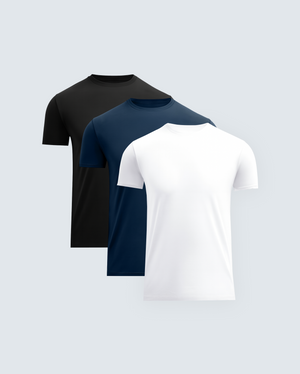

I wore the same bamboo t-shirt through a full Saturday last summer, starting with a morning walk in 30-degree heat, then errands, then helping my friend move a couch up two flights of stairs, and when I got home that evening I did the thing where you pull the collar up to your nose to check how bad the damage is. And there was nothing. Not a clean laundry smell, not a cologne smell, just nothing. No detectable odour after a day that should have produced one.
Then I did the same thing the following Saturday in a cotton tee, same activities minus the couch, and by mid-afternoon my wife told me I smelled like a gym bag. The cotton was done by lunch. So either bamboo actually does something that cotton doesn't, or I sweat differently depending on the day of the week, and I'm pretty sure it's the first one.
Key Takeaways
- Bamboo clothing stays fresher than cotton or polyester through a warm day, but not because the fabric is antibacterial in any meaningful way once it's been processed into viscose. The fibre's micro-gap cross-section moves moisture off your skin before bacteria have the wet conditions they need, and the most common thing we hear from customers switching from cotton is surprise at how little their bamboo tee smells after a full day.
- Bamboo kun, the compound that brands love to cite as proof of built-in antibacterial properties, largely gets destroyed during the viscose manufacturing process, and independent testing at AATCC-standard laboratories has confirmed that bamboo viscose performs no better than regular cotton on antimicrobial benchmarks.
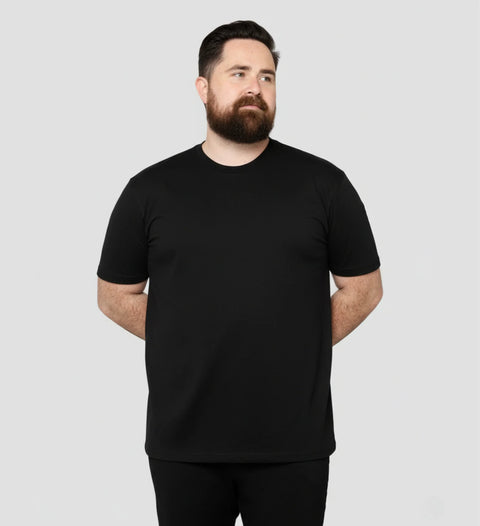
- Our bamboo tees use a 70% viscose from bamboo / 30% organic combed ring-spun cotton blend at 5.3 oz/yd2, and the care routine that keeps the odour resistance working wash after wash is cold water, skip fabric softener entirely, and air dry when you can.
The quick answer: bamboo fabric genuinely does resist odour better than cotton or polyester, but not for the reasons most product pages claim. The mechanism is moisture management, not antibacterial properties. Bamboo's fibre structure pulls sweat off your skin and out to the surface where it evaporates before bacteria get a chance to colonise, which means drier skin, less bacterial activity, and less smell at the end of the day. If that covers it, close the tab. For why the marketing is misleading, how bamboo actually compares to cotton and merino, and what kills the odour resistance over time, keep reading.
Where Does Clothing Odour Actually Come From?
Sweat itself doesn't smell. This is the part most people skip past, and I certainly did until I read the actual science behind it.
Odour comes from bacteria on your skin consuming compounds in your sweat, especially the sweat from apocrine glands concentrated in your armpits and groin, and the byproducts of that bacterial feast are volatile fatty acids. That's what you're actually smelling when a shirt gets rank after a long day. Not the sweat itself, but what bacteria did with it while it sat against your skin in a warm, moist environment that was basically a bacterial buffet.
And the fabric's role in all of this is either to help you or to make things dramatically worse.
Polyester is genuinely terrible here. I own several polyester gym shirts that I keep meaning to throw out. One hard session and the smell gets INTO the fibre structure, and sometimes it doesn't fully come out in the wash. That faint gym ghost you catch when you pull a polyester shirt from the dryer? Everyone knows exactly what I mean.
Cotton is better. But not as much better as most guys expect. It breathes more freely than polyester, sure, but it also soaks up sweat and holds it against your skin like a warm wet compress, which is precisely the environment bacteria need to get busy producing those volatile fatty acids I mentioned.
How Bamboo Fabric Actually Handles Moisture and Odour
Instead of absorbing moisture and sitting in it the way cotton does, bamboo's fibre structure has micro-gaps in the cross-section that pull sweat outward to the fabric surface. The moisture moves THROUGH the fabric rather than being held against your skin, and the practical result is that your skin stays drier throughout the day. Drier skin means a much less hospitable environment for the bacteria that produce odour in the first place.
I think of it like the difference between a puddle sitting on concrete (stays there, breeds mosquitoes, gets gross) and water running down a hillside. Same water. Completely different outcome based on whether it moves or sits still.
And there's an airflow dimension to this that I didn't appreciate until I started reading the textile research. Bamboo fibre is more porous at the micro level than cotton, which means air circulates through the fabric more freely even when you're sitting still. Cooler surface temperature on the fabric. Slower bacterial activity on your skin. The whole odour cycle just runs at a lower speed, and by the end of the day the difference between the bamboo shirt and the cotton one is genuinely noticeable.
But here's the one that sneaks up on you over time and that nobody talks about in the marketing copy. Unlike polyester, bamboo doesn't accumulate detergent residue the way synthetic fibres do. Polyester builds up a film of detergent and softener residue wash after wash, and bacteria colonise that film with enthusiasm. Natural fibres don't build up the same residue layer. After six months of regular use, the gap between a bamboo shirt and a polyester one for baseline smell is striking, and I've done this exact comparison with my own wardrobe.
What About Bamboo Kun? Is the Marketing Real?
This is the elephant in the bamboo grove, and honestly it's the part of the bamboo story that frustrates me most as someone who sells the stuff.
Bamboo kun is a real substance. It's a naturally occurring antimicrobial agent found in the living bamboo plant, and it genuinely does protect the plant against fungi and pests while it's growing. Brands love this part. It sounds like the fabric has a built-in superpower that cotton and polyester simply can't match, and the marketing practically writes itself.
The part they're less enthusiastic about: turning bamboo into wearable fabric requires viscose processing, which involves dissolving the plant material in chemical solvents and regenerating it as fibre. That process largely destroys the bamboo kun. Several independent studies, including testing at AATCC-standard laboratories, have found that finished bamboo viscose fabric performs no better than standard cotton on antibacterial benchmarks.
So when a product page says bamboo is naturally antibacterial, it's describing a property of the raw plant that doesn't survive into the garment you actually wear. Quite a gap between what the label implies and what the science shows.
Does this mean bamboo's odour resistance is fake? No. It means the mechanism is different from what most brands tell you. The moisture management and airflow properties are real, measurable, and they genuinely work in practice. The antibacterial angle is the part that falls apart under scrutiny, and most reputable brands have quietly dropped bamboo kun from their product copy over the past few years. The ones still leading with it either haven't read the research or are hoping their customers won't.
How Does Bamboo Compare to Other Fabrics for Odour?
| Fabric | Odour resistance | Why |
|---|---|---|
| Bamboo viscose | Strong | Wicks moisture off skin via micro-gap fibre structure, high airflow, doesn't trap detergent residue |
| Regular cotton | Moderate | Breathes decently but holds moisture against skin, creating bacterial-friendly conditions |
| Polyester | Poor | Traps sweat compounds in fibre structure, builds residual odour across washes |
| Merino wool | Very strong | Lanolin content plus complex fibre structure makes it the gold standard for multi-day wear |
| Technical synthetics (treated) | Good initially, degrades | Silver-ion or antimicrobial treatments effective short-term but wash out over 20-30 cycles |
My honest take: merino is still the king for multi-day wear. Hikers swear by it. But for everyday shirts you wash after each wearing, bamboo and merino are genuinely close, and bamboo costs about half as much (sometimes less).
Where it really isn't close is bamboo versus polyester. After a few months, polyester develops a baseline funk that cold water can't fully reach. Bamboo washes clean every single time.
How to Keep Bamboo's Odour Resistance Working Long-Term
Three things to avoid and one habit to keep.
Skip fabric softener entirely. This surprises most people when I mention it, but softener coats the fibres with a waxy layer that directly reduces the breathability giving bamboo its moisture-management edge. And it doesn't make bamboo softer in any noticeable way because bamboo is already soft on its own. The coating just builds up over time and eventually makes things worse.
Use a mild detergent, nothing with heavy fragrance. Heavily fragranced detergents leave residue in natural fibres that accumulates wash after wash. A fragrance-free or lightly scented option cleans just as well without gumming up the fibre's micro-gap structure that's doing all the moisture-wicking work.
Don't leave it sitting wet after you wear it. A sweat-soaked bamboo shirt left balled up in a gym bag for two days is going to smell no matter what the fabric is capable of. Wash it reasonably soon after a heavy wearing day, or at least hang it to air out. The moisture management works while you're wearing it, not while it's crumpled up in the bottom of a hamper.
Air dry when you can manage it. Look, I'll be honest: I use the dryer on low heat about half the time because I'm lazy about hanging things up and my clothesline is in an inconvenient spot in the yard. But high-heat machine drying stresses bamboo fibres over time and gradually reduces the porosity that makes the whole odour-resistance thing work. Cold wash, tumble low or air dry. Do that and the performance holds.
Browse the men's bamboo t-shirts collection for the blend we actually use: 70% viscose from bamboo / 30% organic combed ring-spun cotton, 5.3 oz/yd2. We aren't going to pretend the fabric has magical antibacterial superpowers. It manages moisture better than cotton and washes cleaner than synthetics, and for a daily-wear shirt that stays fresh through a full warm day, that combination is genuinely enough. And the bamboo vs cotton vs merino comparison goes deeper on the specific performance differences if you want the full breakdown.
Last updated: May 2026
FAQ
Does bamboo clothing really resist odours?
Yes, but not because of antibacterial magic. Most brands cite bamboo kun, a compound in the raw plant that largely gets destroyed during viscose processing. The real mechanism behind bamboo's odour resistance is moisture management: the fibre's micro-gap cross-section pulls sweat off your skin and through the fabric before bacteria have the wet conditions they need to produce smell. Less moisture sitting against you means less odour at the end of the day.
Is bamboo better than cotton for odour resistance?
Noticeably better after a warm day. Cotton breathes reasonably well but absorbs sweat and holds it against your skin, which is exactly what odour-causing bacteria want. Bamboo viscose moves that moisture outward through the fibre structure instead of holding it. Neither fabric is close to merino wool for multi-day wear, but for a shirt you wash after each wearing, bamboo is the clear upgrade from cotton.
Does bamboo clothing shrink in the wash?
Bamboo viscose can shrink if exposed to heat above 40 degrees Celsius. Cold water washing keeps the fibre stable across dozens of washes with negligible shrinkage. The practical rule is cold wash, gentle cycle, air dry or tumble low. High dryer heat is the main culprit for fibre contraction in bamboo clothing.
How often should you wash bamboo clothing?
After each heavy-wear day where you actually sweated. Bamboo manages moisture well while you are wearing it, but leaving a sweaty garment balled up in a hamper for days lets bacteria establish no matter what the fabric can do. For lighter wear days where you stayed cool, you can go two or three wears between washes without any odour building up.




0 comments