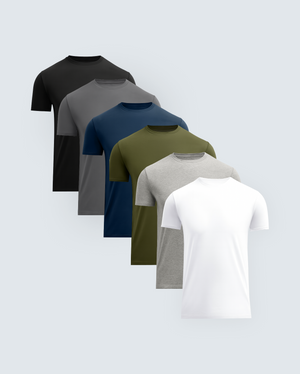
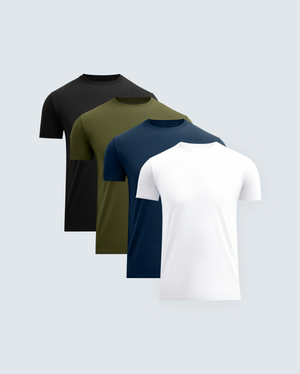
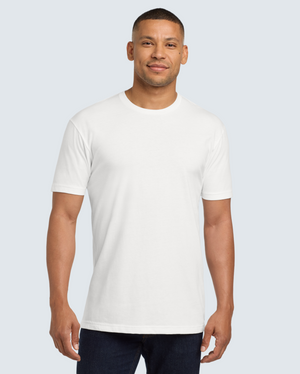
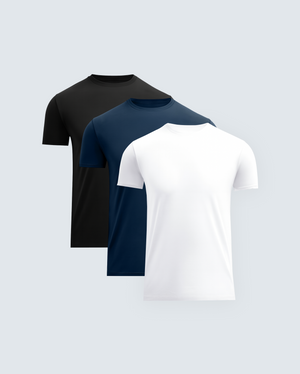

Bamboo clothing gets marketed as some kind of miracle material. Sustainably grown, silky soft, naturally antibacterial, good for the planet. Some of that is true. Some of it is stretched. Here's what bamboo fabric actually is, how it performs in real use, and whether it's worth your money.
What Bamboo Fabric Actually Is
The name is a little misleading. Bamboo fabric isn't made by weaving bamboo stalks or anything like that. The process starts with bamboo pulp, but the end product is a form of rayon or viscose, a regenerated cellulose fiber. Manufacturers dissolve bamboo into a chemical solution, extract the cellulose, push it through spinnerets to form fibers, and then spin those fibers into yarn.
The result is a soft, lightweight fabric that shares some properties with the bamboo plant but is chemically quite different from it. This matters because it affects how you should think about the environmental claims. More on that in a minute.
Why It's Softer Than Cotton
Bamboo viscose fibers have a smoother, rounder cross-section than cotton fibers. Cotton fibers have a more irregular, ribbon-like shape that creates more surface friction against skin. That difference in shape is a big part of why bamboo fabric tends to feel noticeably softer right out of the package and why it stays that way wash after wash.
It also drapes differently. Bamboo fabric tends to have a slight sheen and a fluid feel that cotton doesn't. If you've ever worn a bamboo t-shirt next to a cotton one, the tactile difference is real and not subtle. Our men's bamboo t-shirts consistently get described as the softest shirts people own.
Breathability and Moisture Management
Bamboo fabric breathes well. The fiber structure includes small micro-gaps that allow air circulation and help pull moisture away from skin. This makes it a good choice for warm weather or for people who run hot.
It's not as aggressively moisture-wicking as synthetic athletic fabrics, which are engineered specifically for that purpose. But for everyday wear, bamboo manages sweat better than a heavy cotton shirt. The fabric wicks moisture away from your skin and allows it to evaporate rather than sitting there making you feel damp and uncomfortable.
Odor Resistance: Real, But Not Magic
You'll see a lot of marketing claims about bamboo being naturally antibacterial or odor-resistant. There is some truth to this. The bamboo plant contains a natural bio-agent called bamboo kun that does have antimicrobial properties. The question is how much of that survives the viscose manufacturing process.
Studies are mixed. Some show retained antimicrobial activity in bamboo viscose, others show most of it gets washed out during processing. What most people do notice in practice is that bamboo shirts smell fresher longer than cotton ones after a full day of wear. Whether that's residual bamboo kun or just the moisture management properties doing their job is hard to say. Either way, the practical result is real. For a closer look at how bamboo handles odor through a full day of wear, see our breakdown of how bamboo clothing actually resists odors.
The Environmental Reality
Bamboo as a plant is genuinely sustainable. It grows fast, requires no pesticides, and doesn't need replanting after harvesting. That part of the story is accurate.
Where it gets complicated is the manufacturing side. The standard viscose process runs on chemicals like carbon disulfide, and if the facility isn't set up to contain them properly, they end up as waste. This is the part that some bamboo brands gloss over.
The better option is bamboo fabric made through a closed-loop process, where the chemicals are captured and reused rather than released. This is sometimes labeled as Tencel or lyocell bamboo. If the environmental angle matters to you, it's worth looking for that distinction when you shop. Our sustainable clothing collection is built around fabrics chosen with that in mind.
How to Care for Bamboo Clothing
Bamboo fabric is softer and more delicate than cotton, so it benefits from a bit of care. The rules are simple.
Wash cold. Warm or hot water can shrink bamboo fabric and weaken the fibers over time. Use a gentle cycle. Bamboo doesn't need aggressive agitation to get clean. Avoid high heat in the dryer. Low heat or air drying is better. The fabric dries quickly anyway, so air drying isn't much of an inconvenience.
Skip the fabric softener. It coats the fibers and actually reduces the natural softness and moisture management over time. Bamboo is already soft. It doesn't need it.
Who Bamboo Fabric Is Actually For
Bamboo is a particularly good fit for a few types of people. If you live somewhere warm and humid, the breathability makes a real difference. If you have sensitive skin that gets irritated by rougher fabrics, the smoothness of bamboo can help. If you've tried cotton t-shirts your whole life and just want something that feels different, bamboo is worth trying.
It's not a performance fabric for intense workouts. It's not as durable as a heavy cotton jersey. But as an everyday t-shirt fabric, especially for warmer months or warmer climates, it holds up well and feels genuinely good to wear. Browse our full range of men's t-shirts if you want to compare across fabric types.
Bamboo or Cotton: Which One Actually Wins?
Cotton wins on durability and laundry tolerance. You can wash it hot, tumble dry it, and it handles the rough treatment fine. The range of weights and textures is bigger too. Bamboo wins on feel. It's softer, lighter, and does a better job of keeping you from feeling damp in the heat. If your skin tends to react badly to rougher fabrics, bamboo causes less irritation. Neither is objectively better. They just do different things well.
Most people who try bamboo end up keeping it in their regular rotation alongside cotton, not replacing cotton entirely. That's probably the right approach. If you want a full side-by-side breakdown including merino wool, the bamboo vs cotton vs merino comparison covers each fabric in detail.
FAQ
Is bamboo fabric actually sustainable?
The bamboo plant is sustainable. The fabric manufacturing process varies. Closed-loop production captures and reuses the chemicals rather than releasing them, which is a much cleaner process. If the environmental angle matters to you, that's the distinction worth looking into before you buy.
Does bamboo fabric shrink?
Yes, if you treat it like regular cotton it will shrink. Hot water and a hot dryer are the two main culprits. Cold wash and low heat drying keeps it in shape. It dries quickly anyway, so air drying is easy enough.
Is bamboo fabric good for sensitive skin?
For most people with sensitive skin, yes. The fibers are smoother and create less surface friction than cotton, which is one of the main irritation triggers. People with eczema often find it more comfortable day-to-day. Not a cure for anything, but worth trying if rougher fabrics have been a problem.
How does bamboo fabric hold up over time?
With proper care it holds up well, but it's not as rugged as a heavy cotton jersey. Treat it gently and it'll stay soft for a long time. Machine wash rough with hot water and it'll degrade faster than cotton would.
Is bamboo fabric good for summer?
Yes. The breathability and moisture management make it one of the better natural fabric options for warm weather. A bamboo shirt doesn't pick up that heavy, damp feel that cotton gets when you're sweating through a hot afternoon.




0 comments