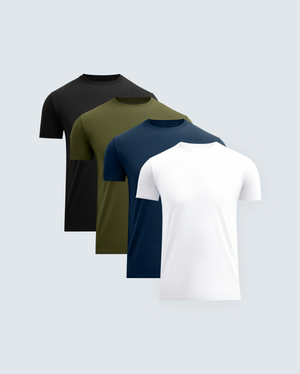
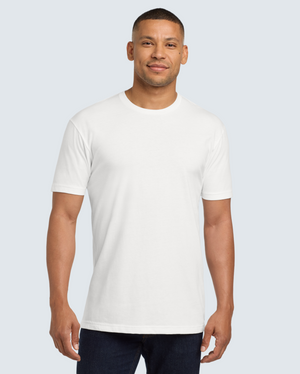
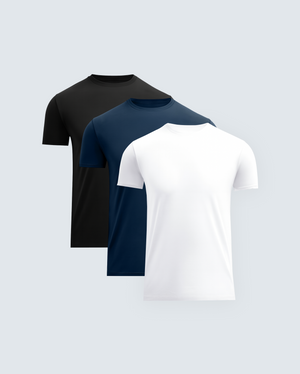
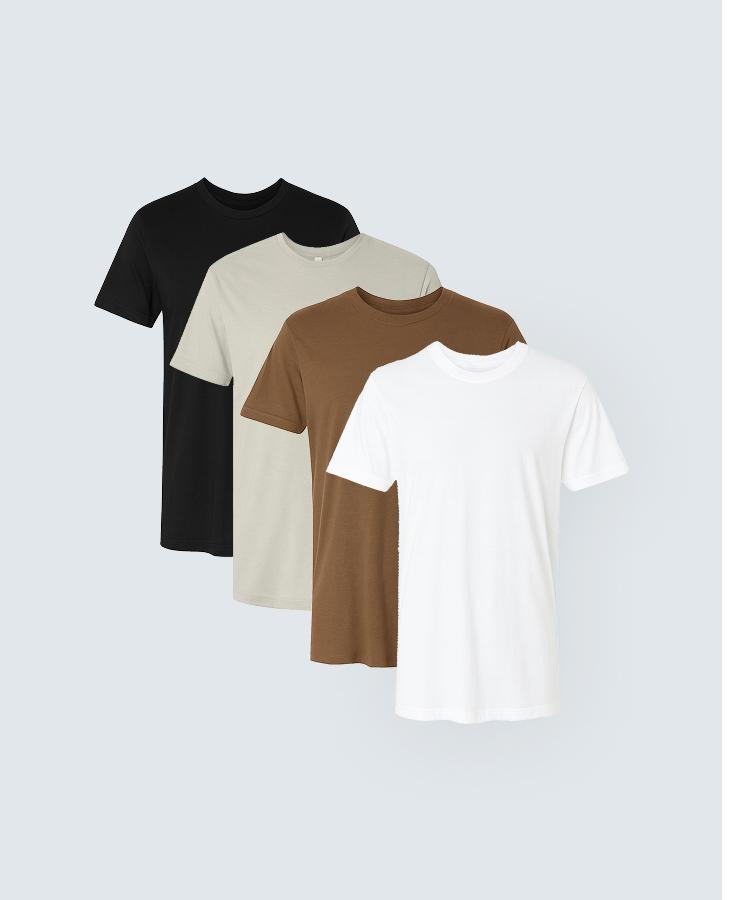
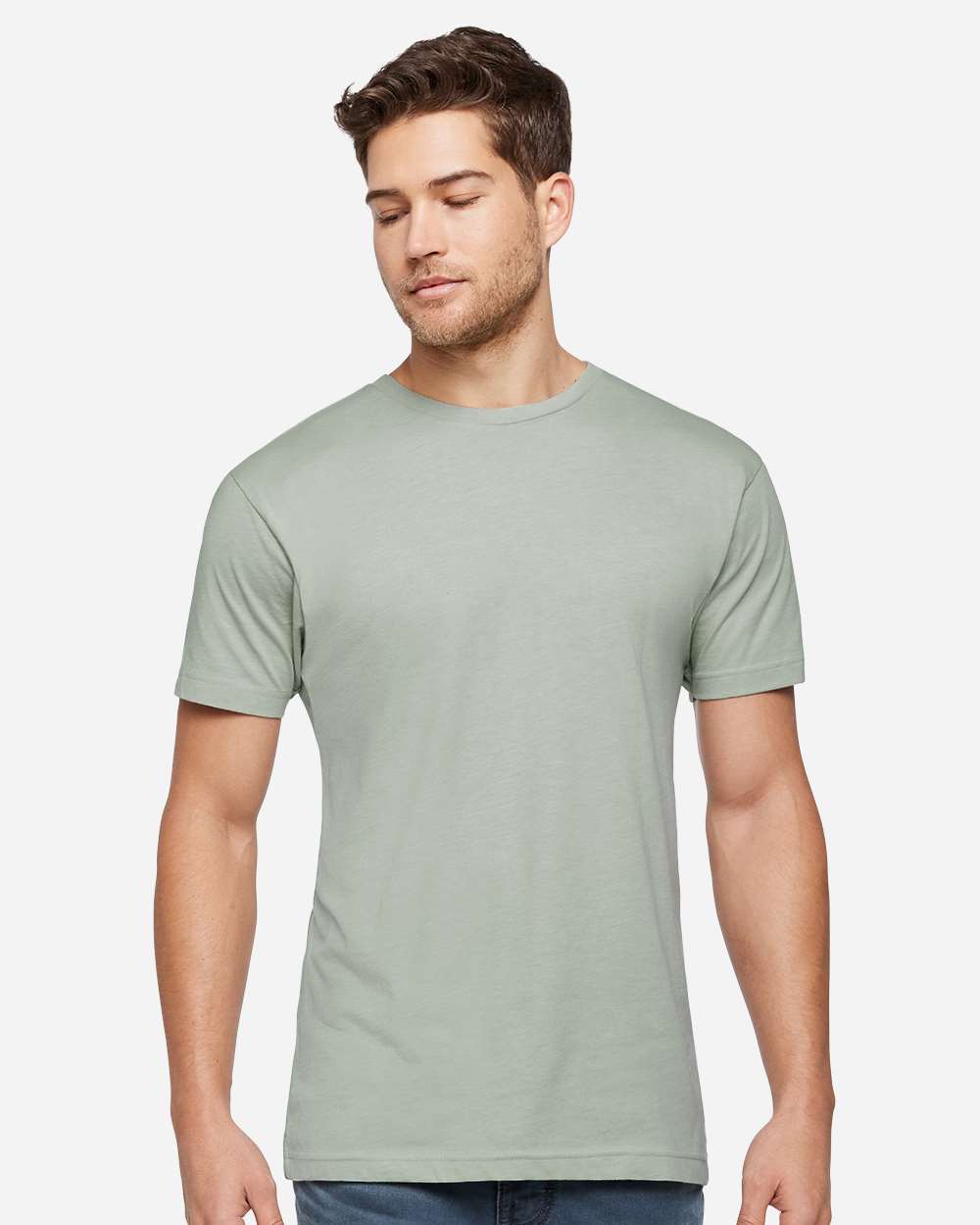
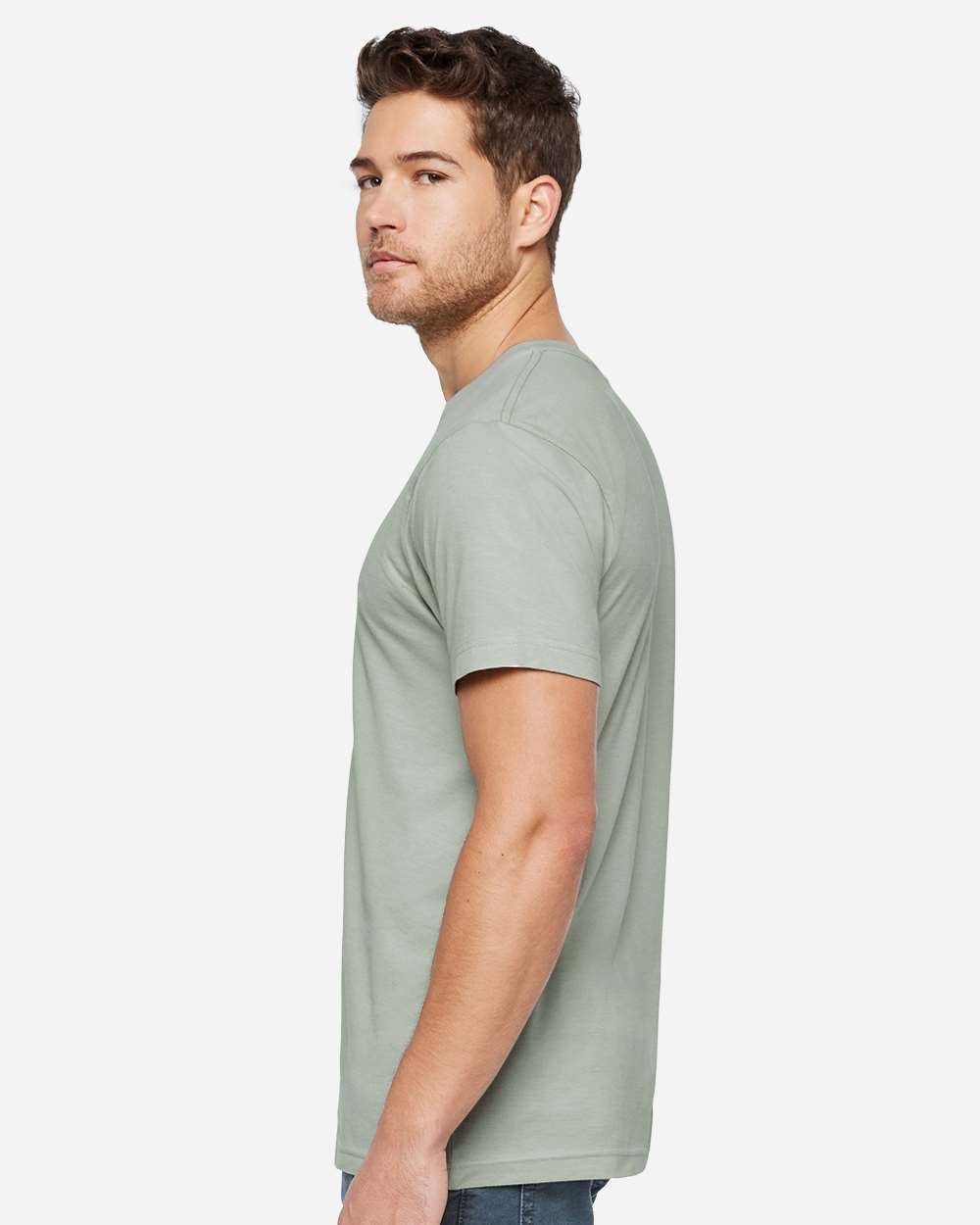
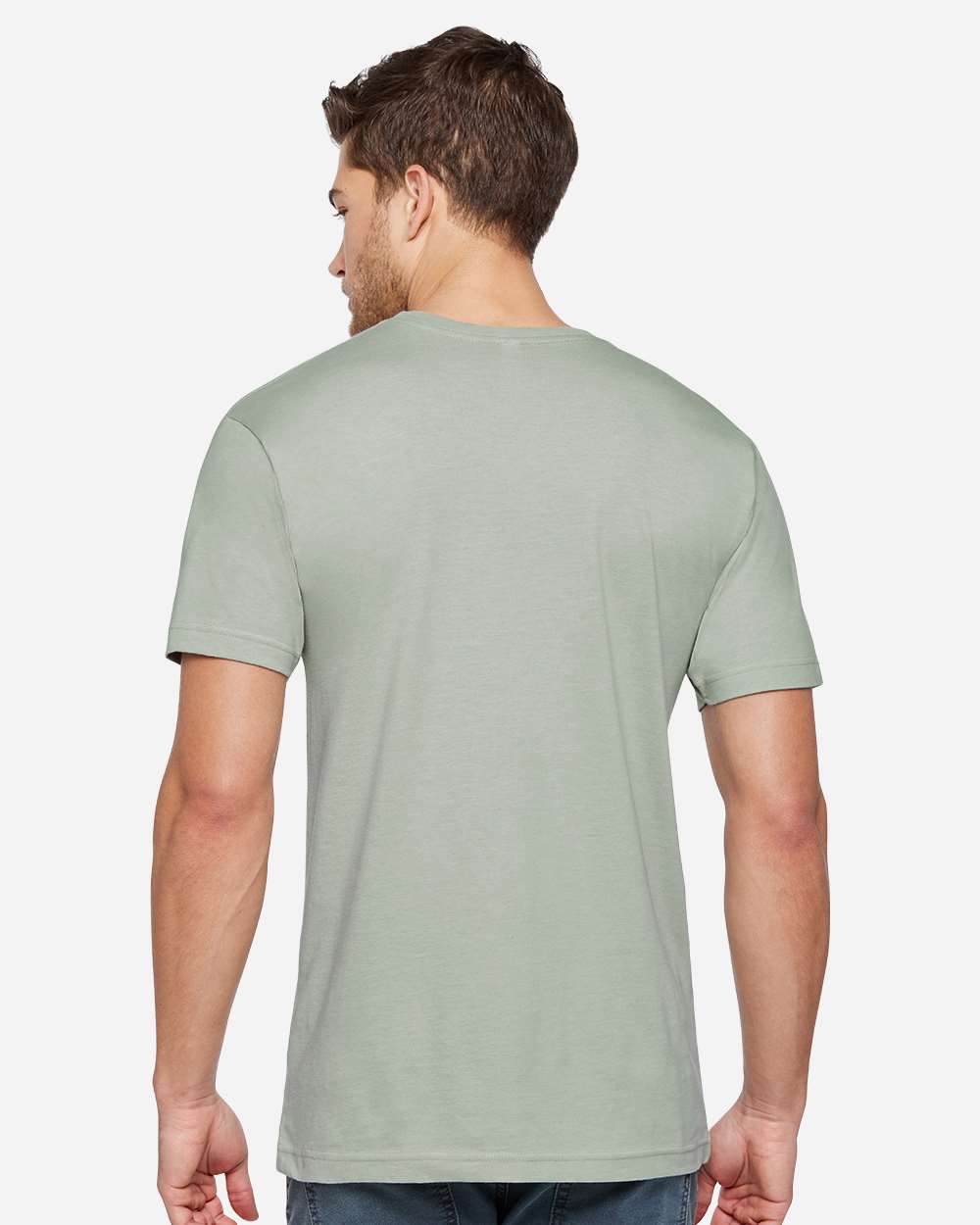
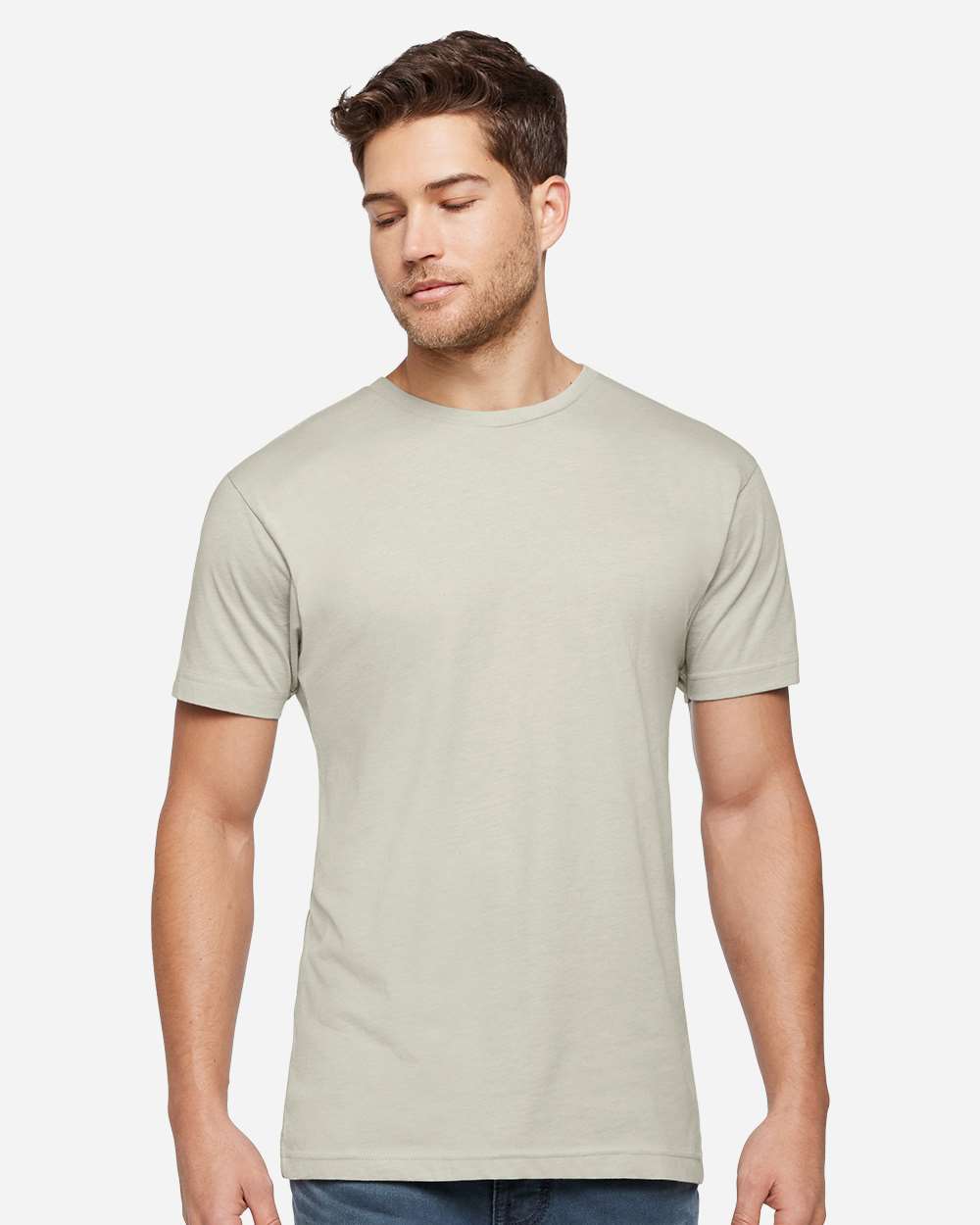
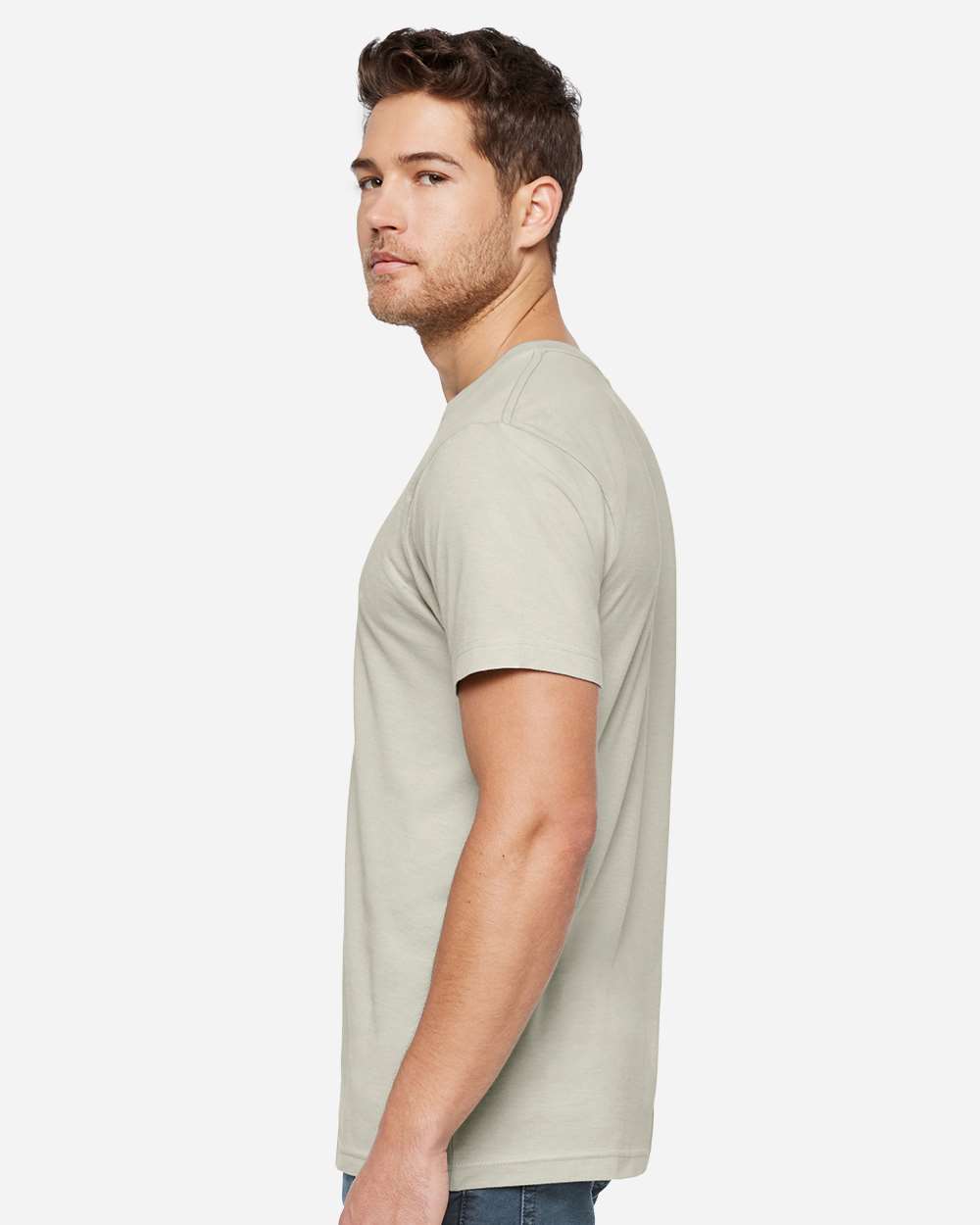
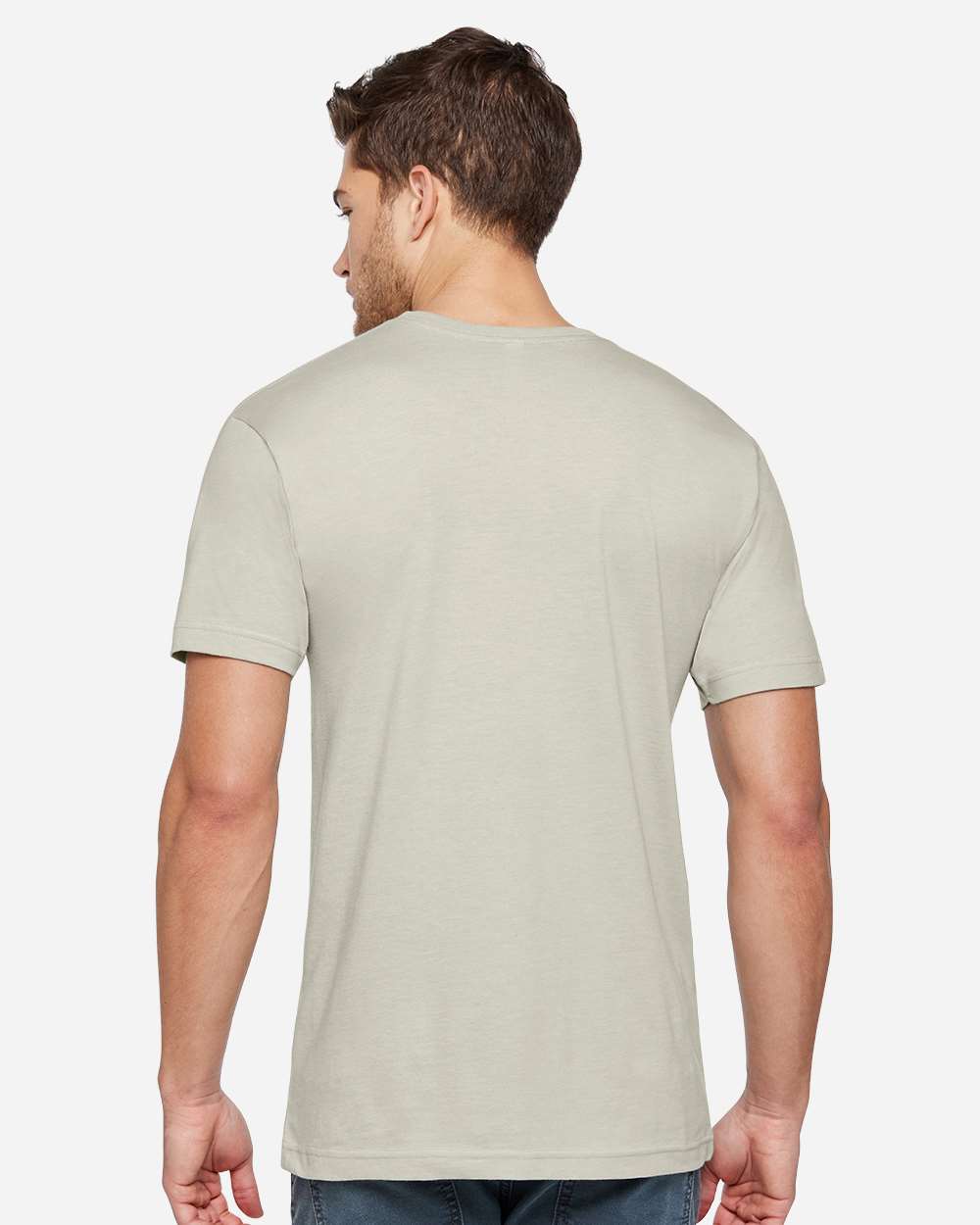
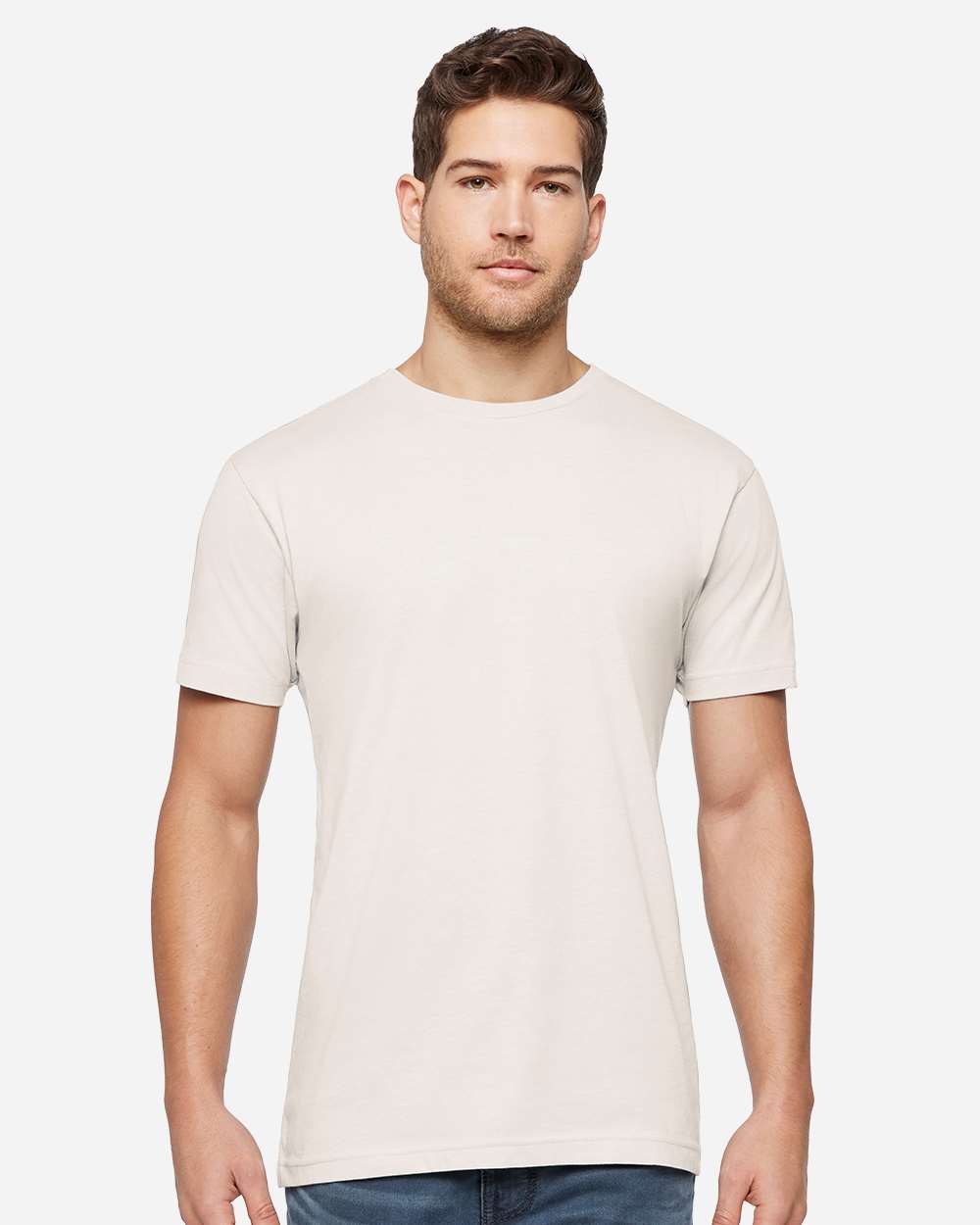
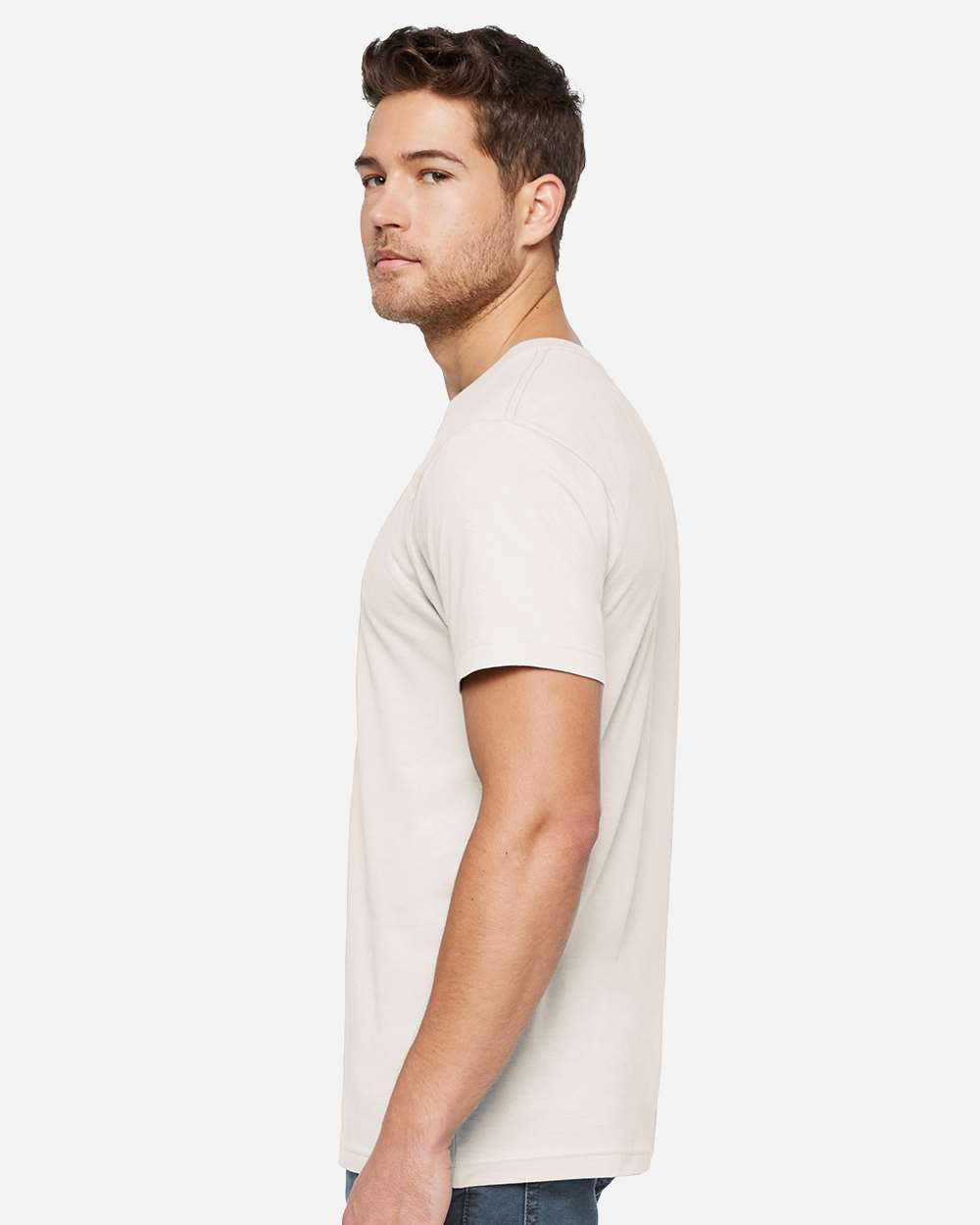
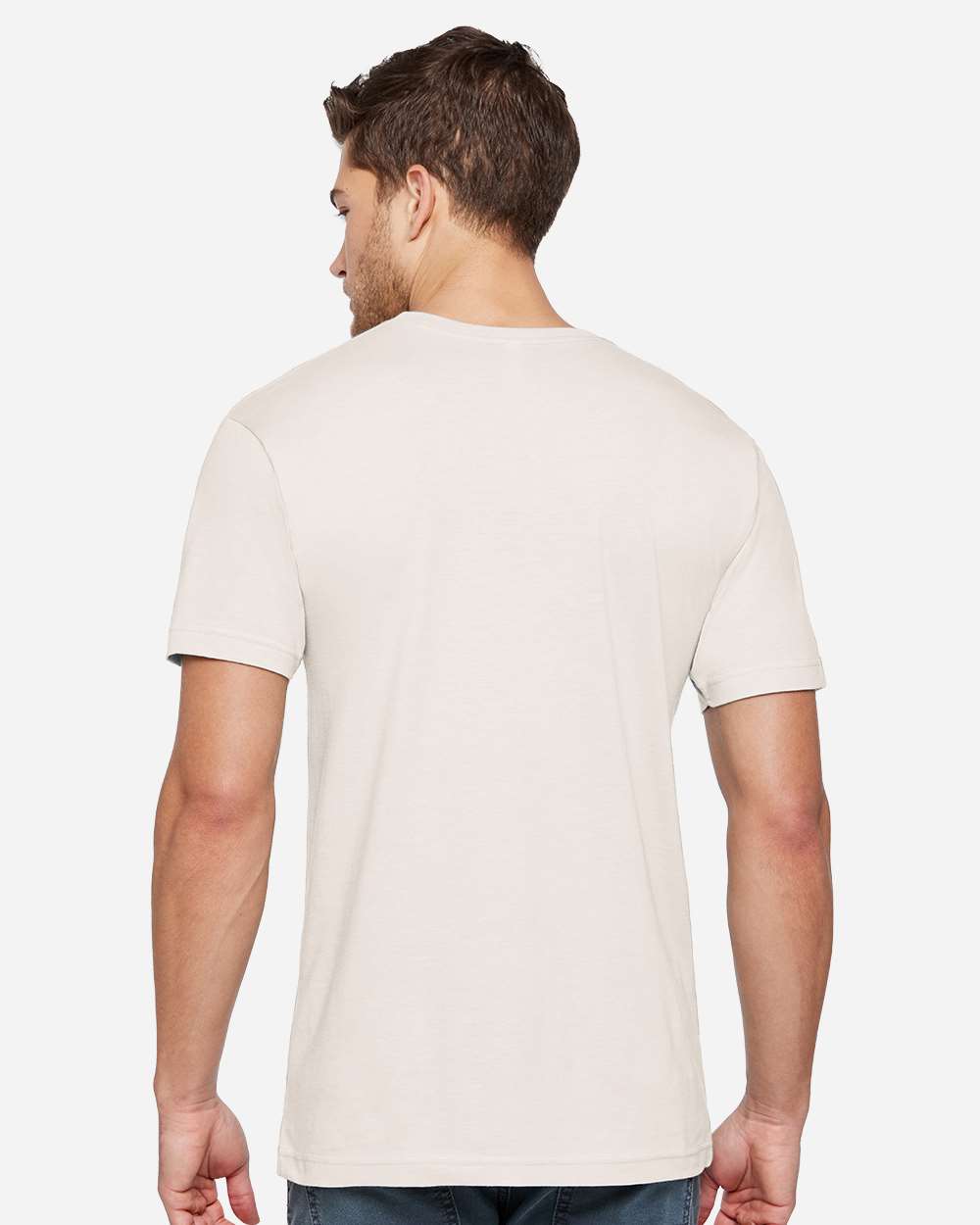
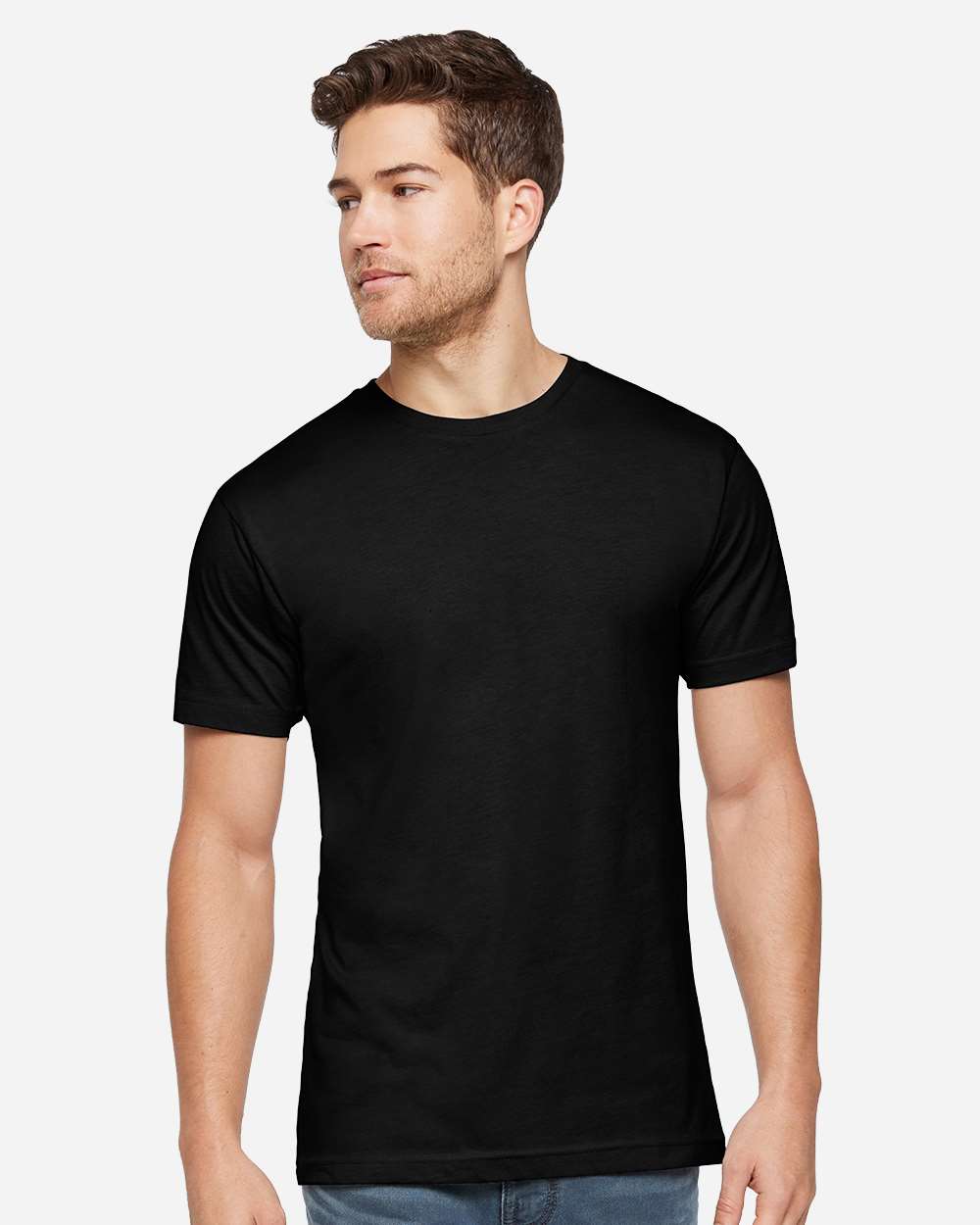
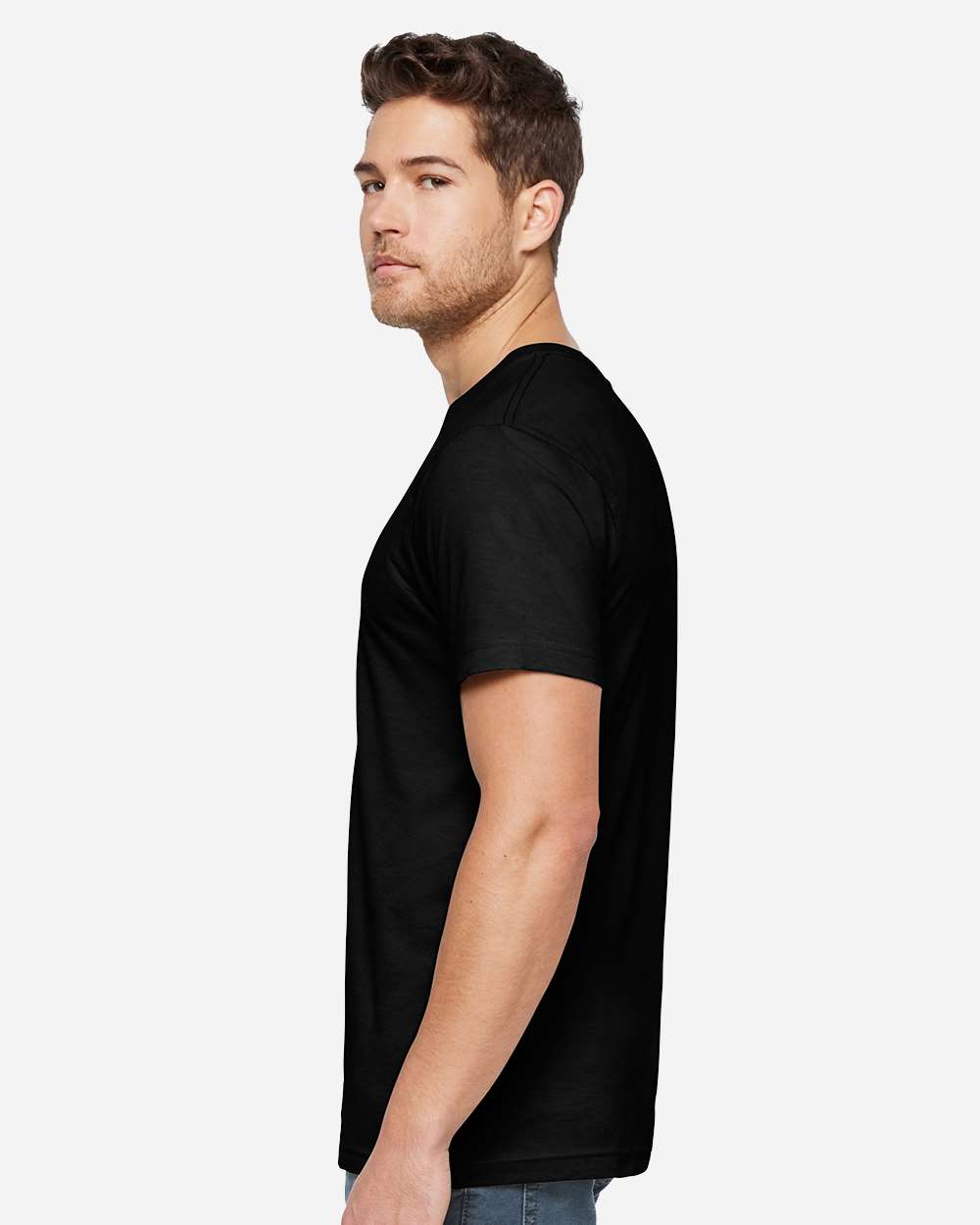
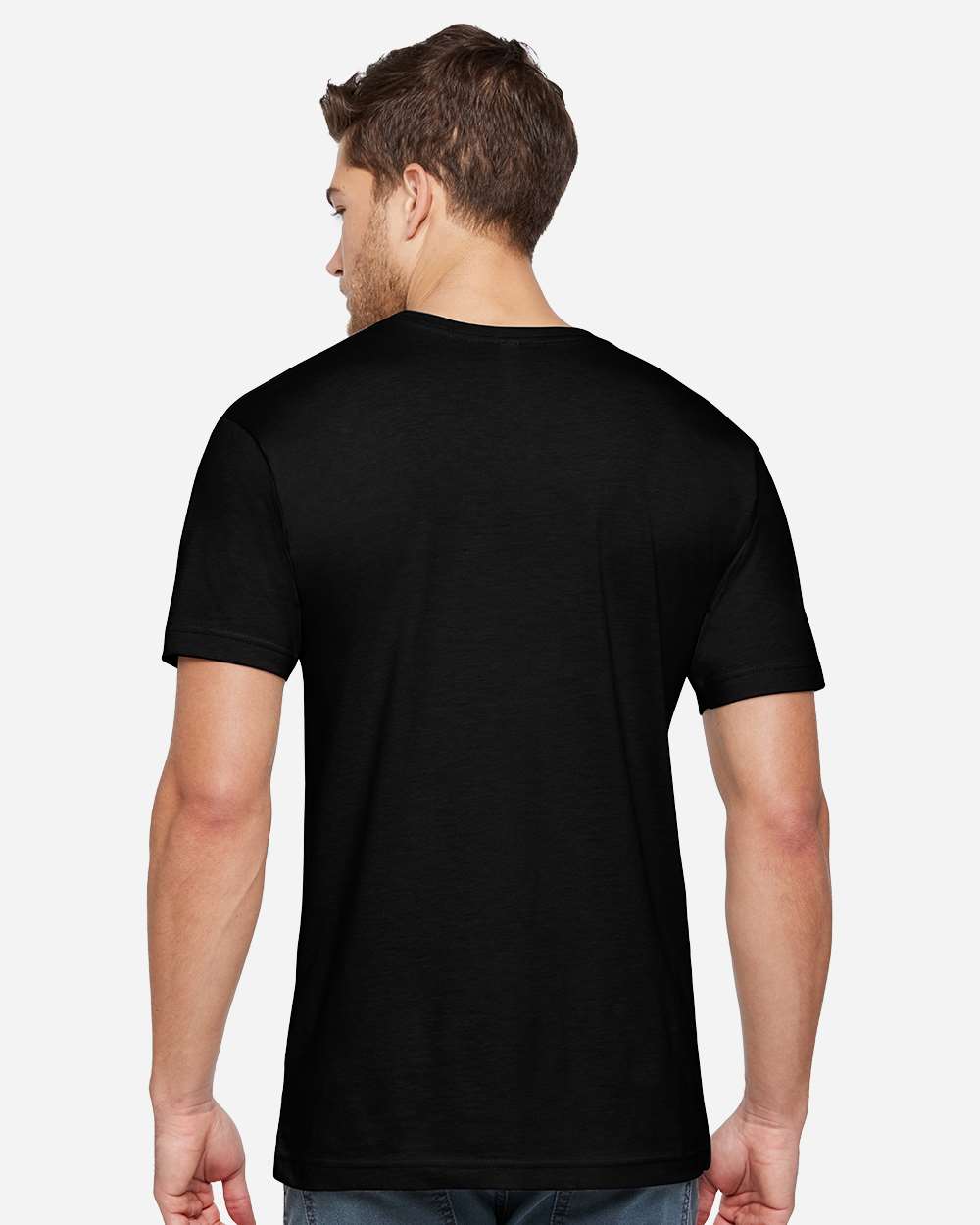
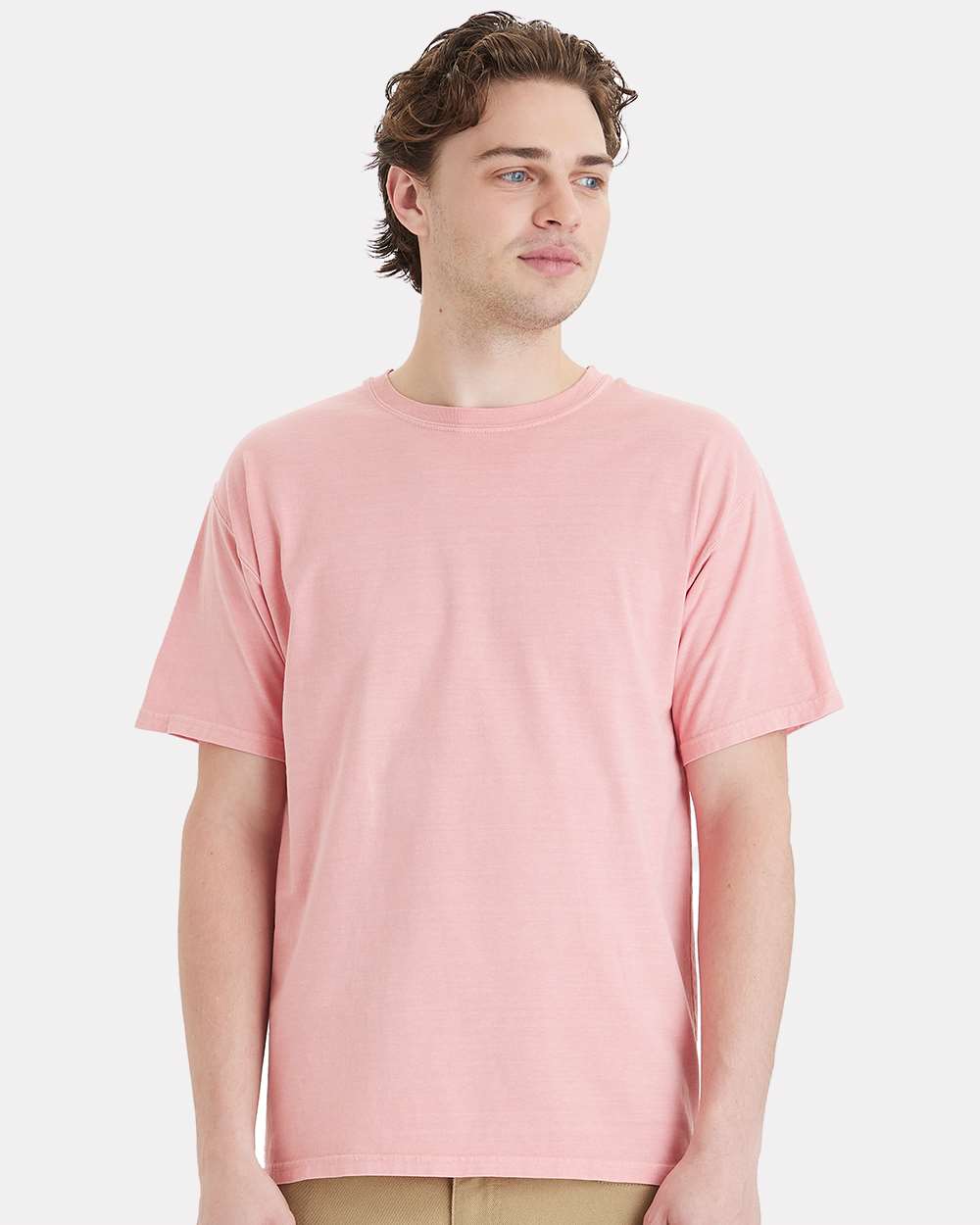
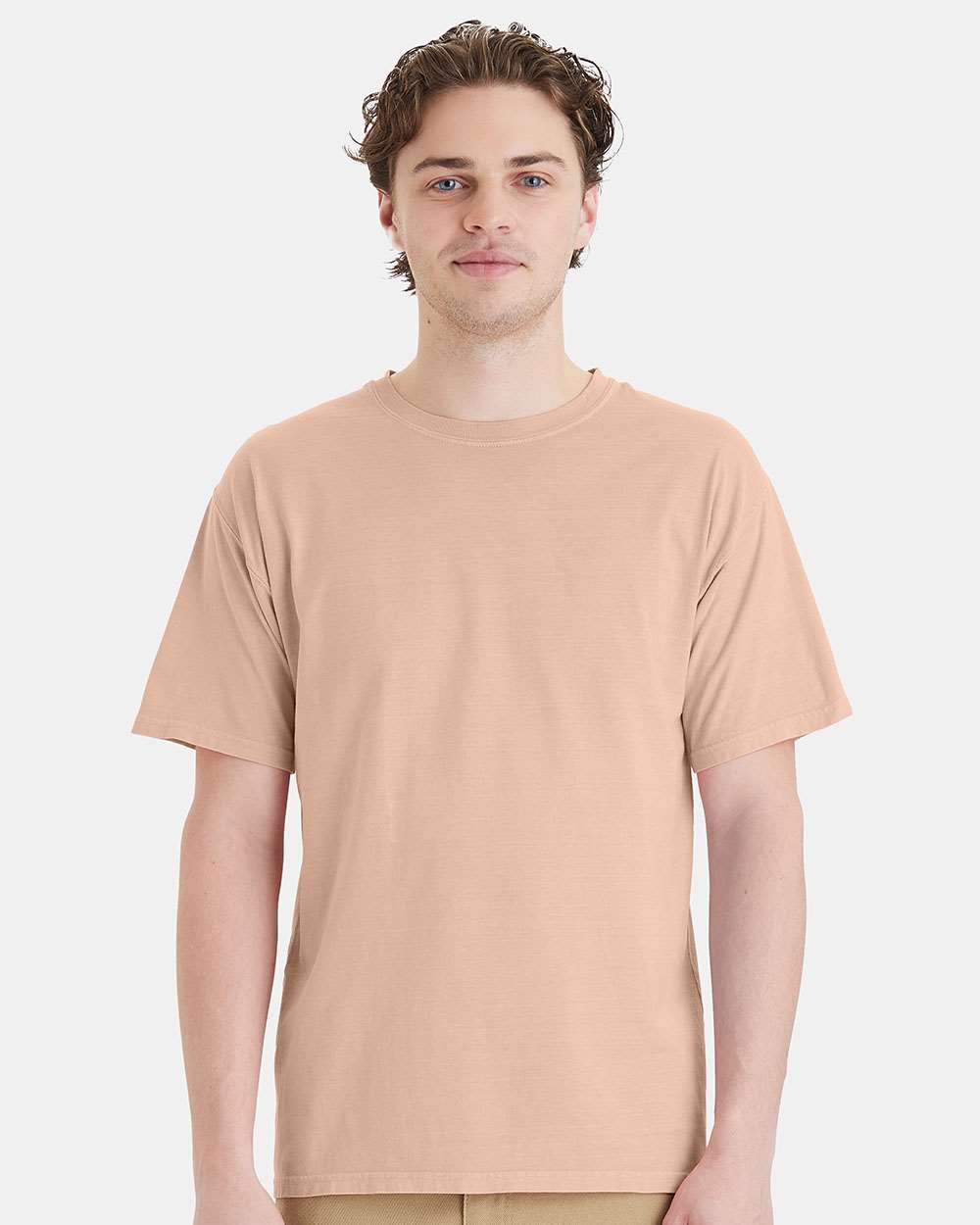
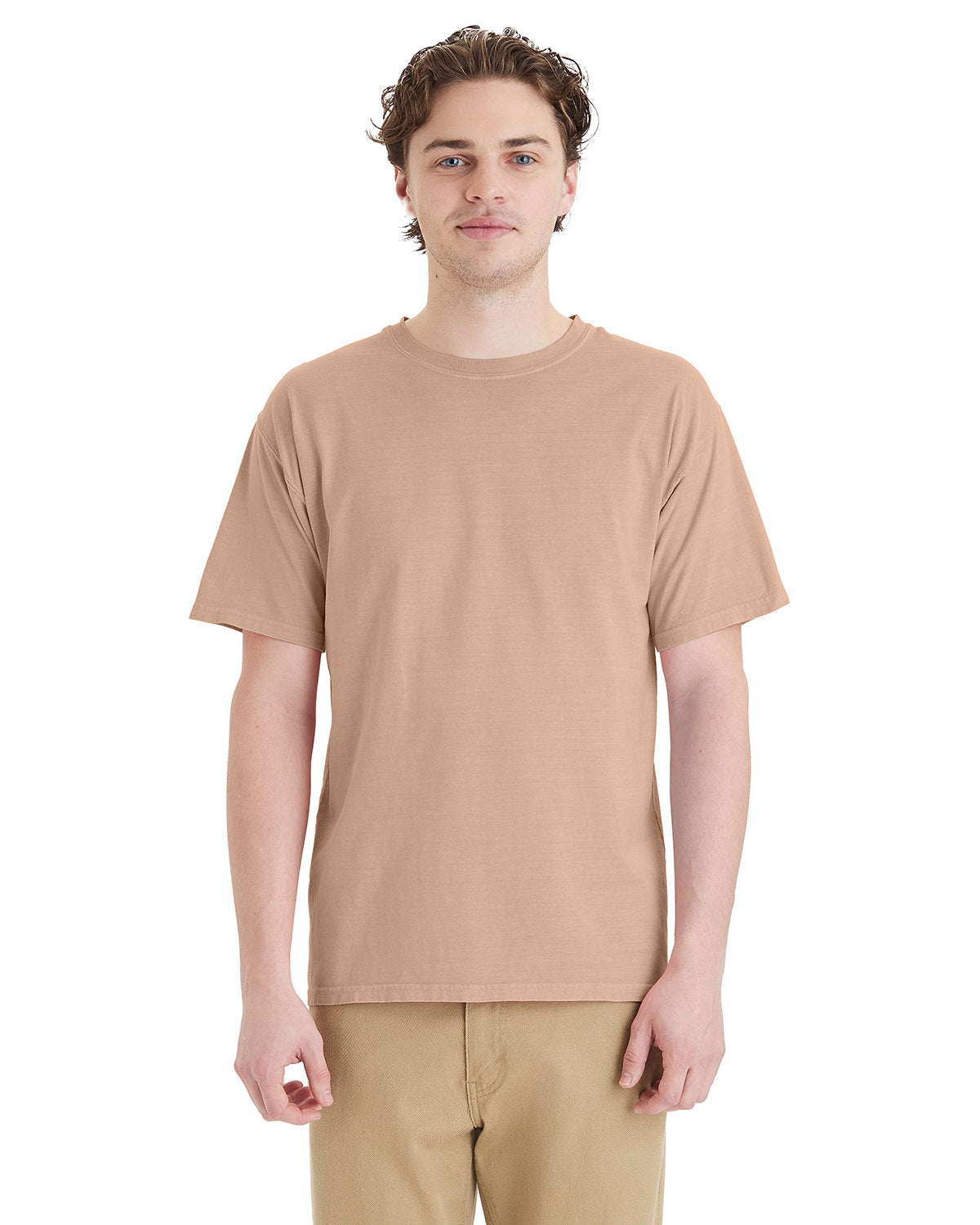
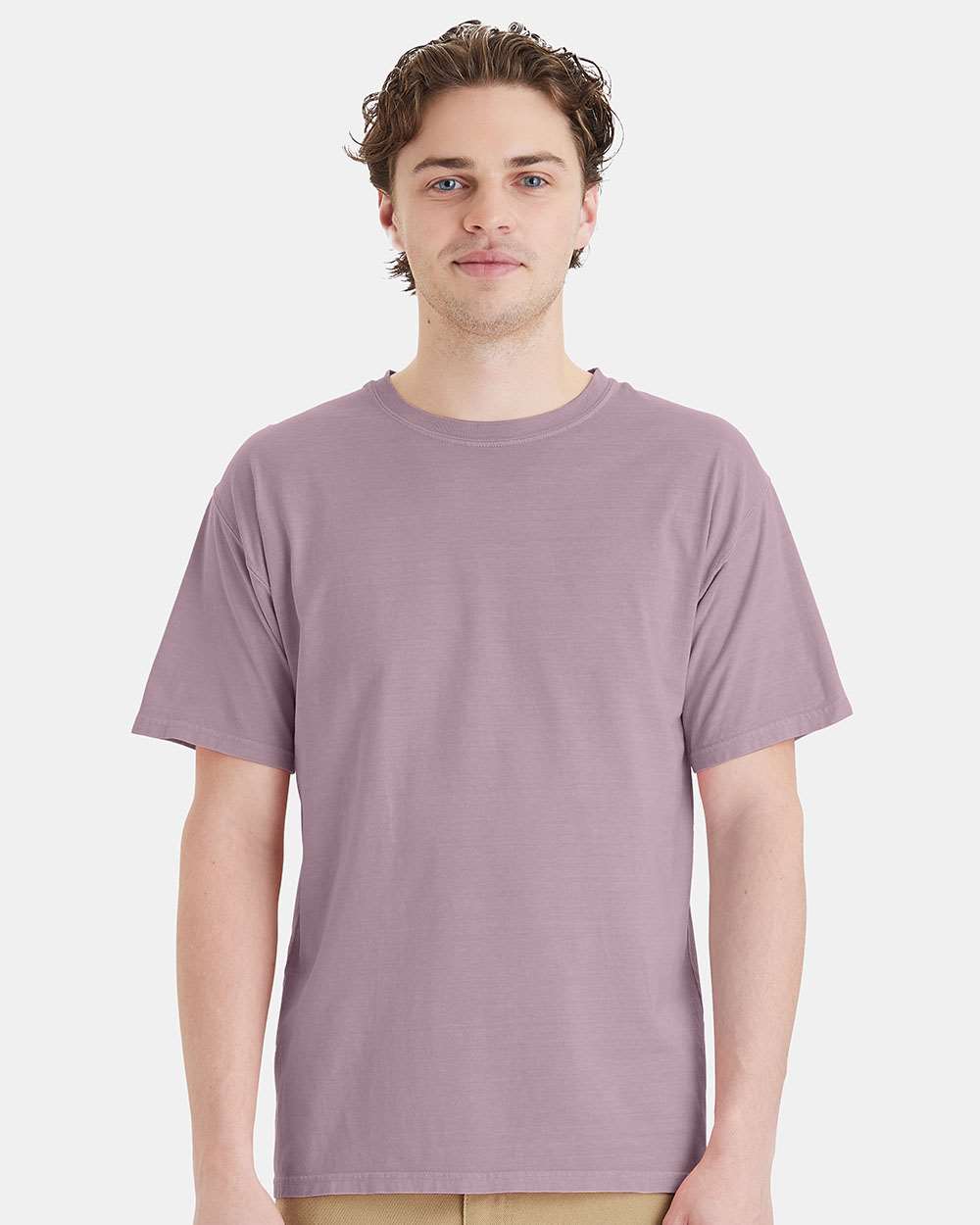
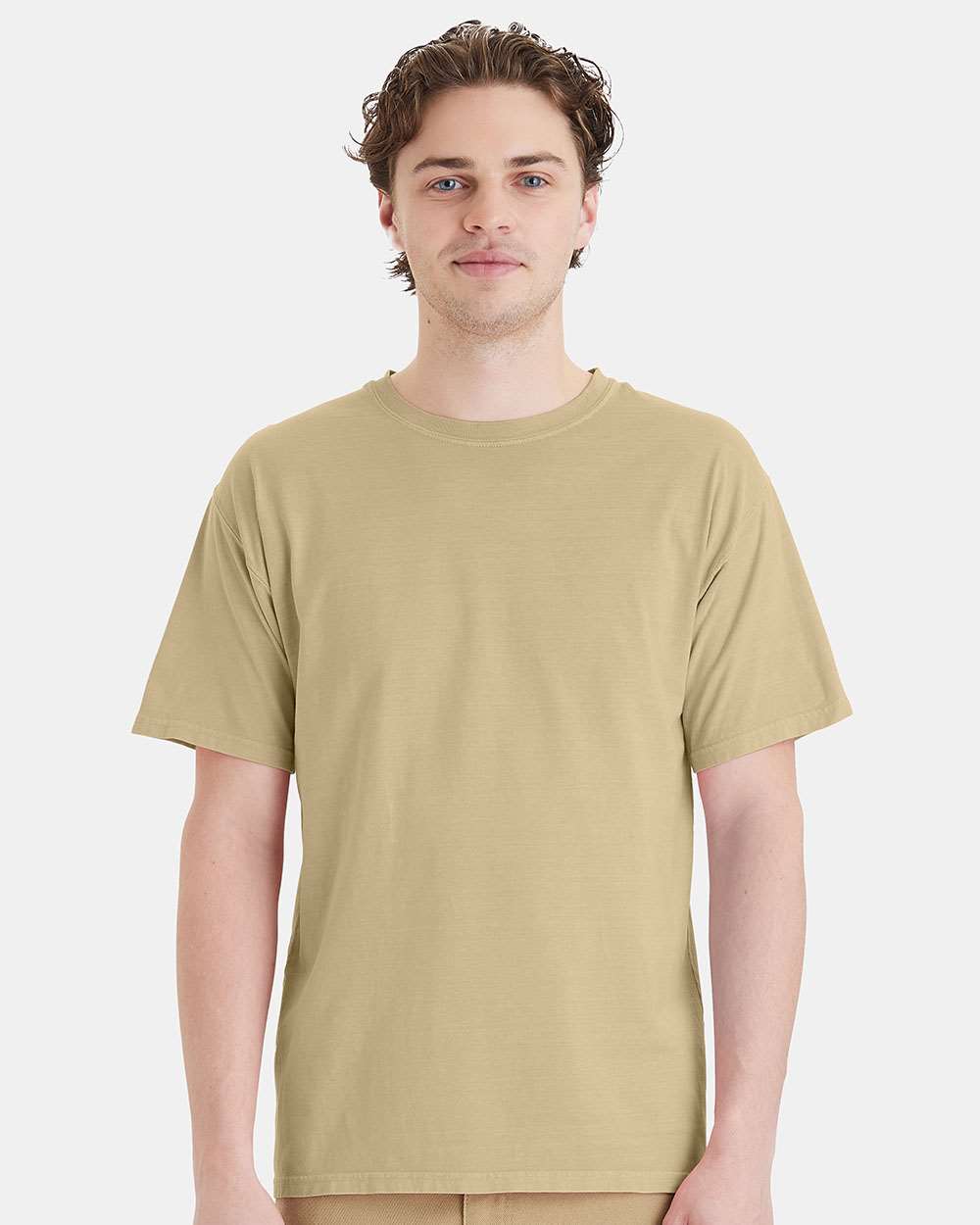
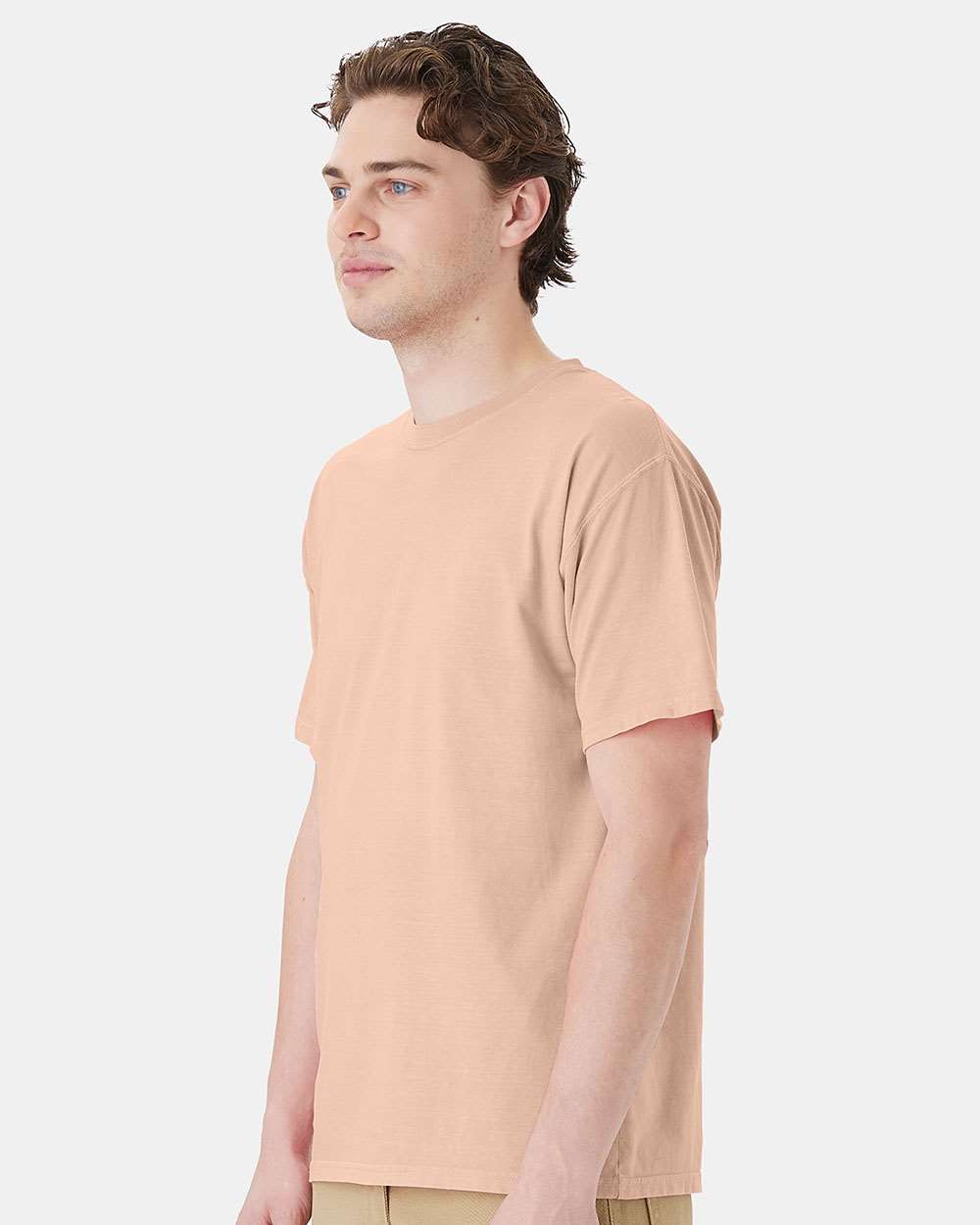
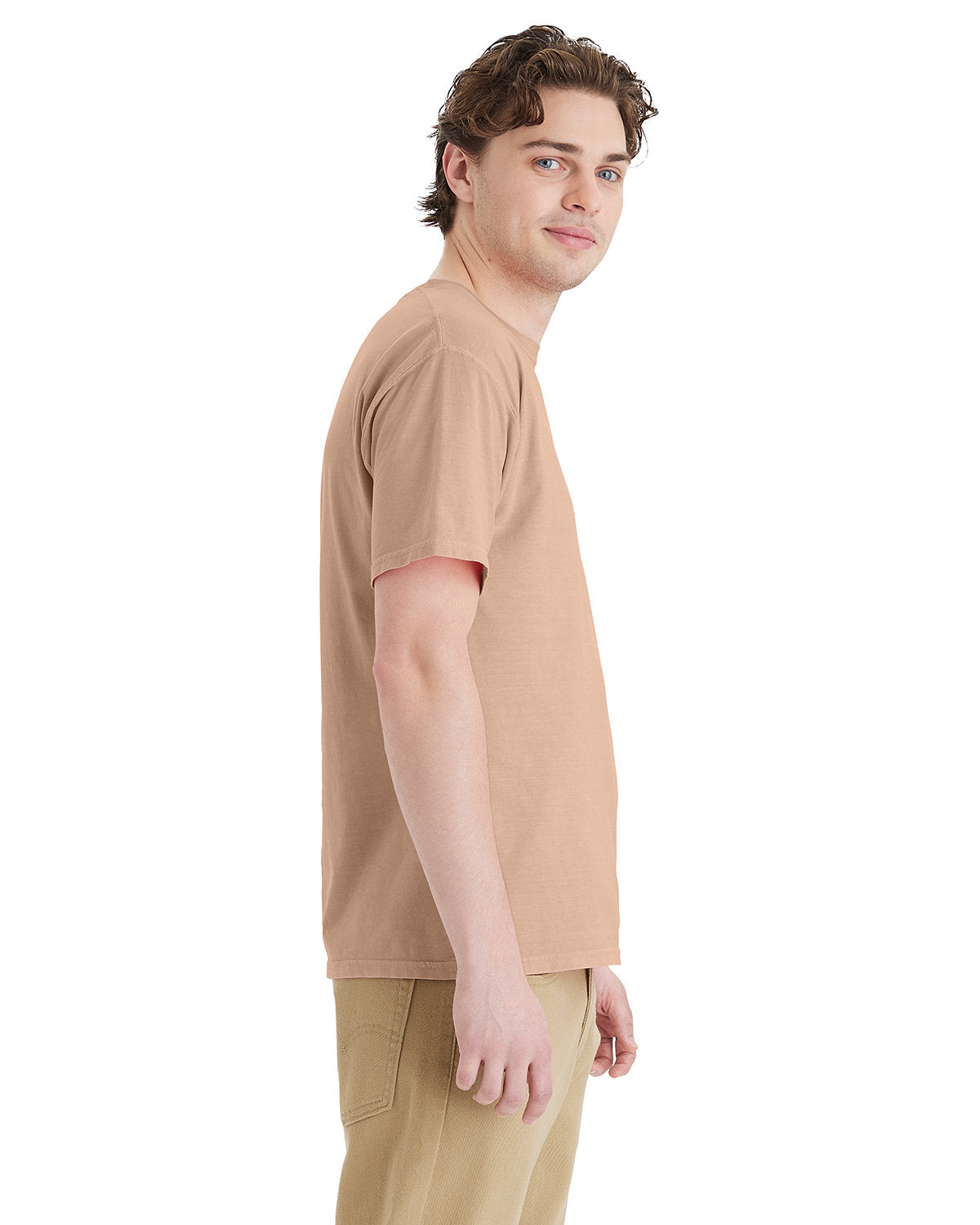
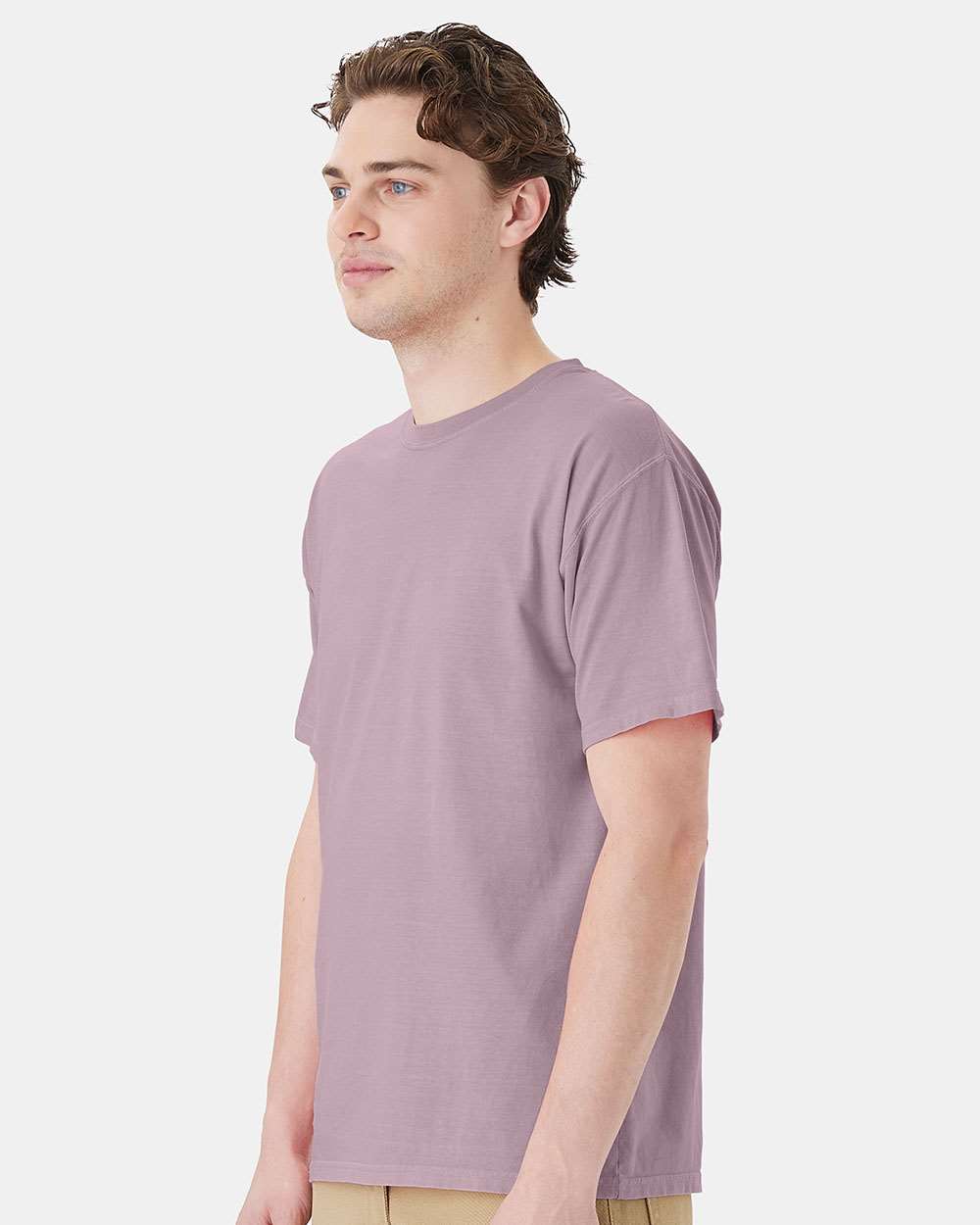
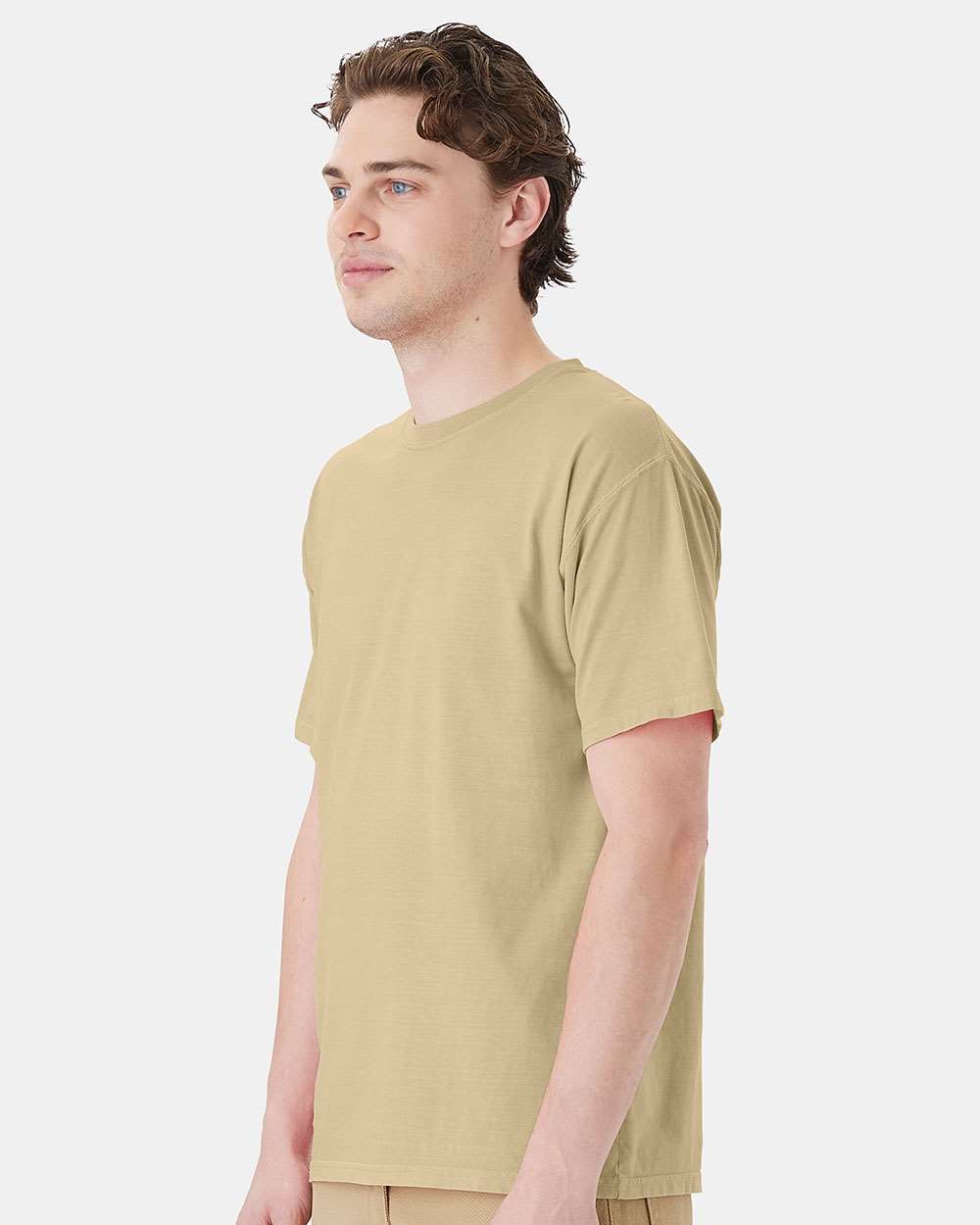
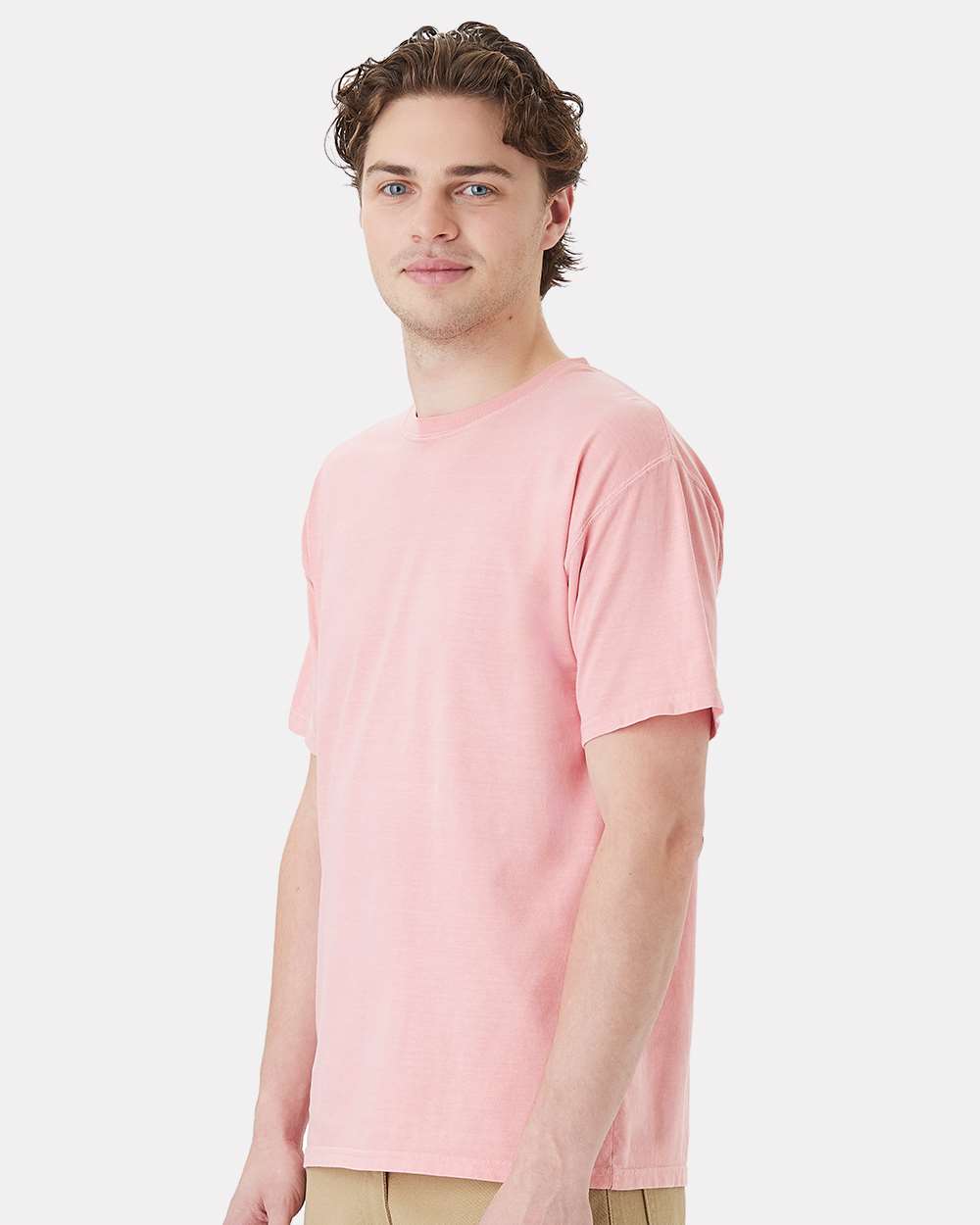
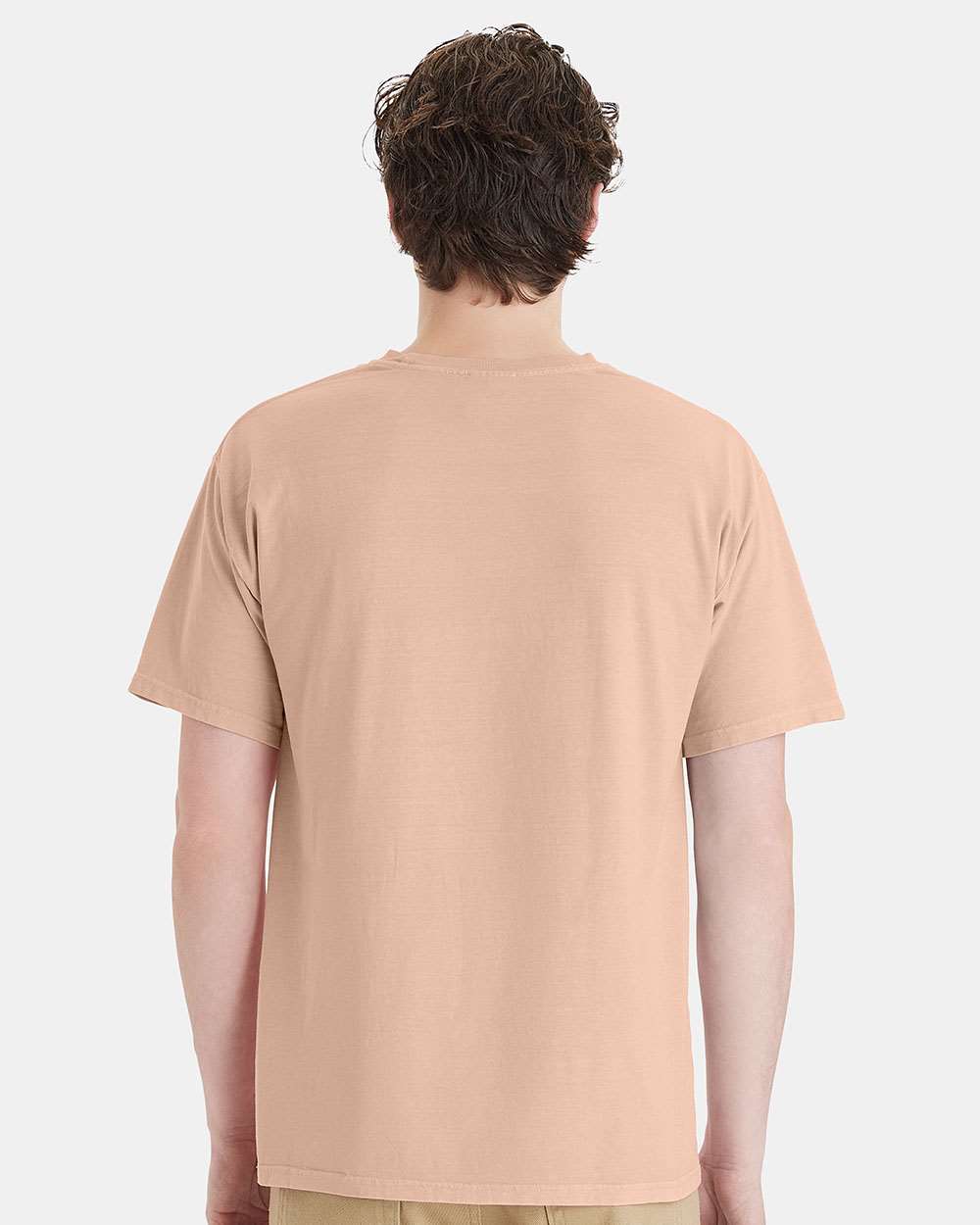
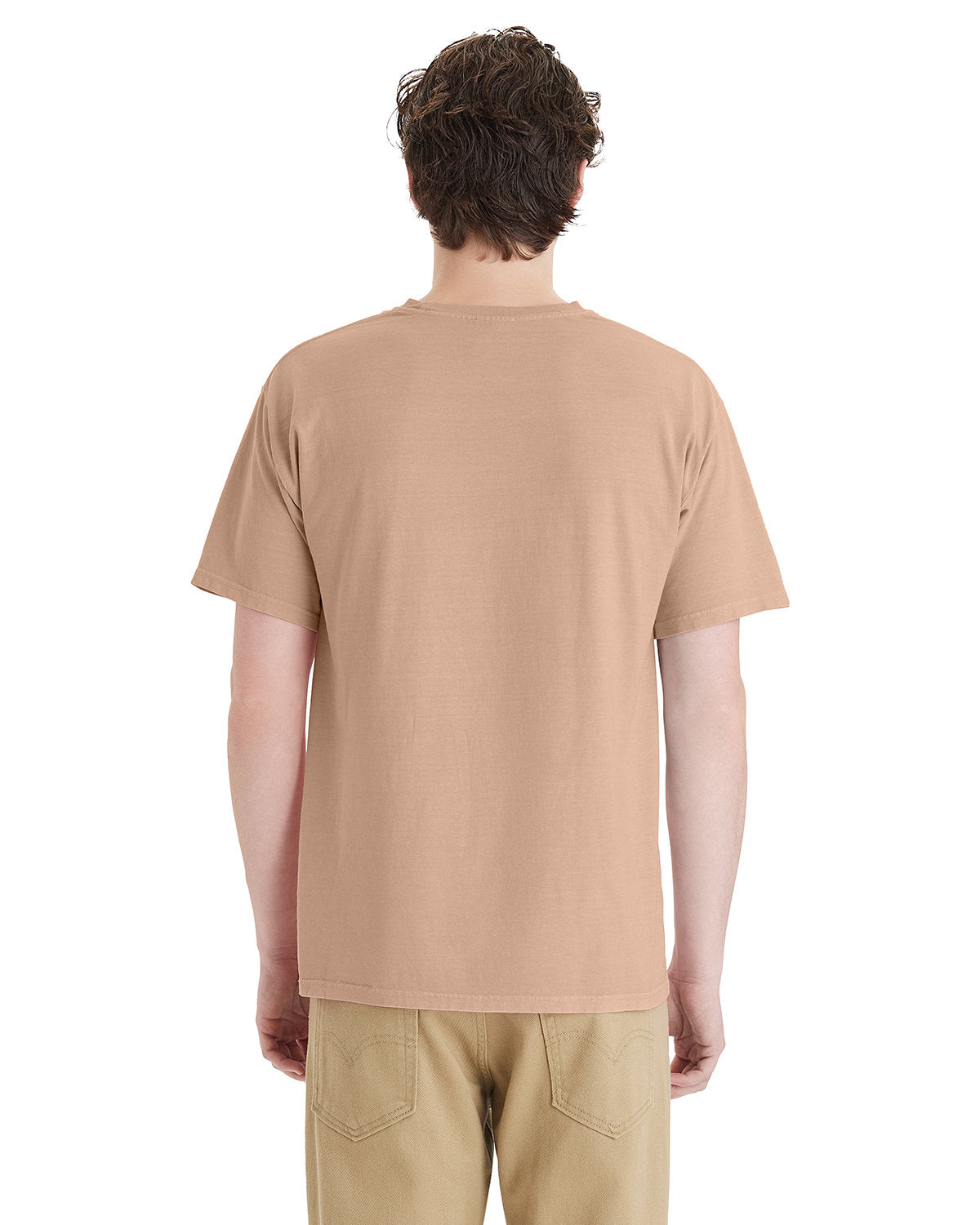
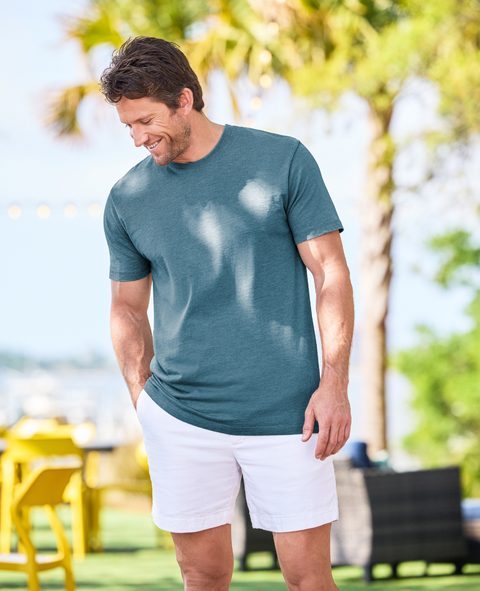
Sustainable Tees Made for Everyday Wear

Honest MaterialsResponsible Production29 Styles

Sustainable and eco-friendly clothing is not a single definition. It includes the materials used, where and how they are grown or produced, how the garment is manufactured, and how long it lasts. A tee that is made from recycled materials but falls apart after 20 washes is not meaningfully sustainable. The materials in this collection range from GOTS-certified organic cotton to bamboo viscose — one of the more genuinely eco-friendly fabric options for everyday t-shirts when produced responsibly. All are built from supply chains with verified labor and environmental standards, and to a construction quality that supports years of use rather than a single season.

Organic and Recycled Materials Verified Supply Chain Built to Last Years No Synthetic Treatments
Skip to results list
Availability
Cut
Fabric
Size
Price
to
The highest price is $119.99
Clear
25 items
Sort by: Best selling

Filter

Availability
Cut
Fabric
Size
Price
to
The highest price is $119.99
Sort by: Best selling

Sustainability Without the Greenwashing

Eco-Friendly and Sustainable T-Shirts Made to Actually Last

29 Sustainable Styles
4.8 Average Rating
3+ Years Expected Lifespan
0 Greenwashing Claims

Sustainable tees that don't compromise on comfort or quality. Better for the planet. Better for you.

At ComfyThreads, we design eco-friendly t-shirts using materials that reduce environmental impact without sacrificing the softness and durability you expect. No greenwashing. No vague claims. Just honest basics made with purpose.

We use organic cotton, recycled materials, and lower-impact production methods. Because building a sustainable wardrobe starts with pieces you actually reach for.

Our Sustainable Tees Collection

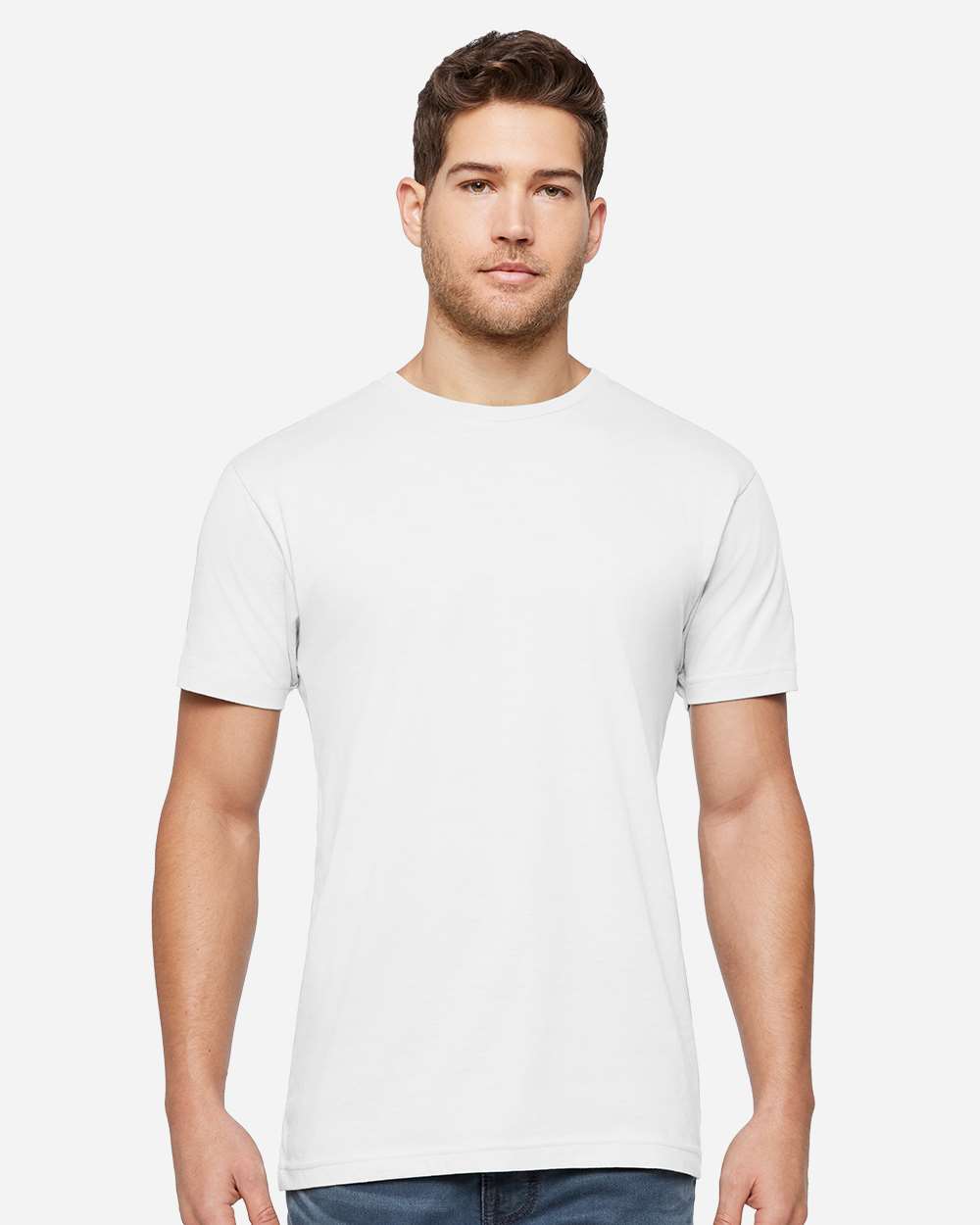
Everyday Sustainable Tees

These are the basics you wear on repeat.

Designed for comfort and longevity, our everyday sustainable tees offer a balanced fit that works on their own or under layers. Soft against the skin and easy to care for, they make choosing better feel effortless.

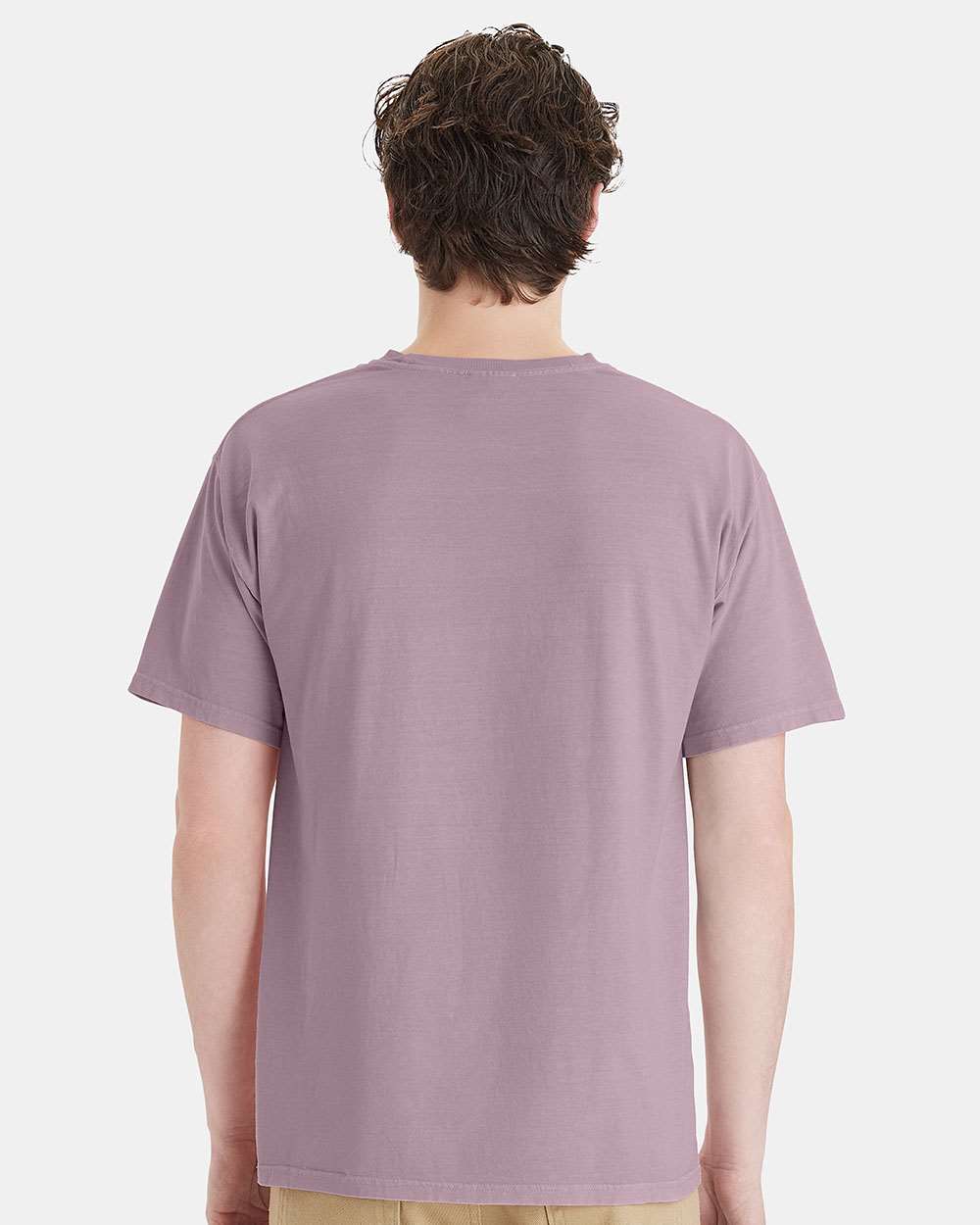
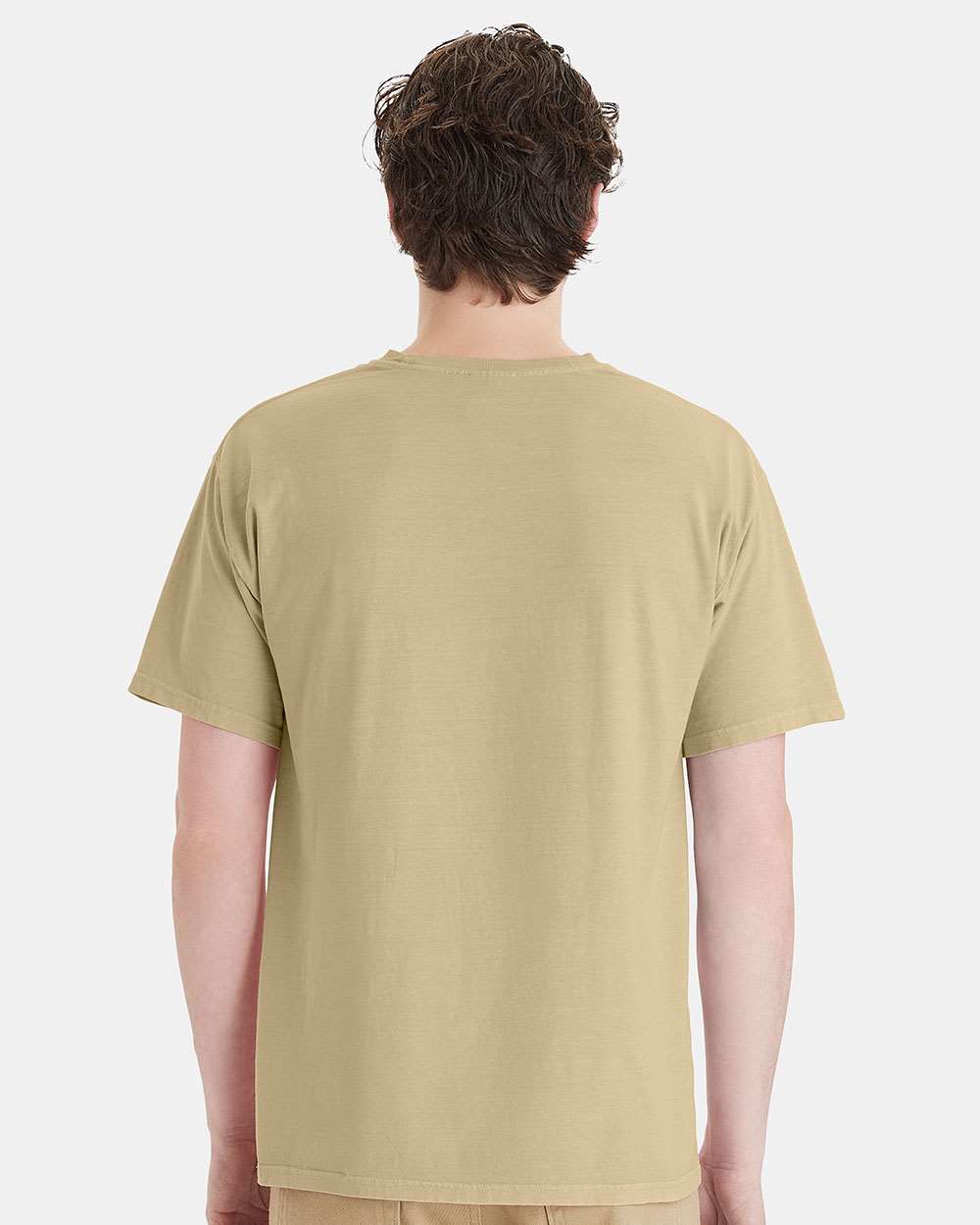
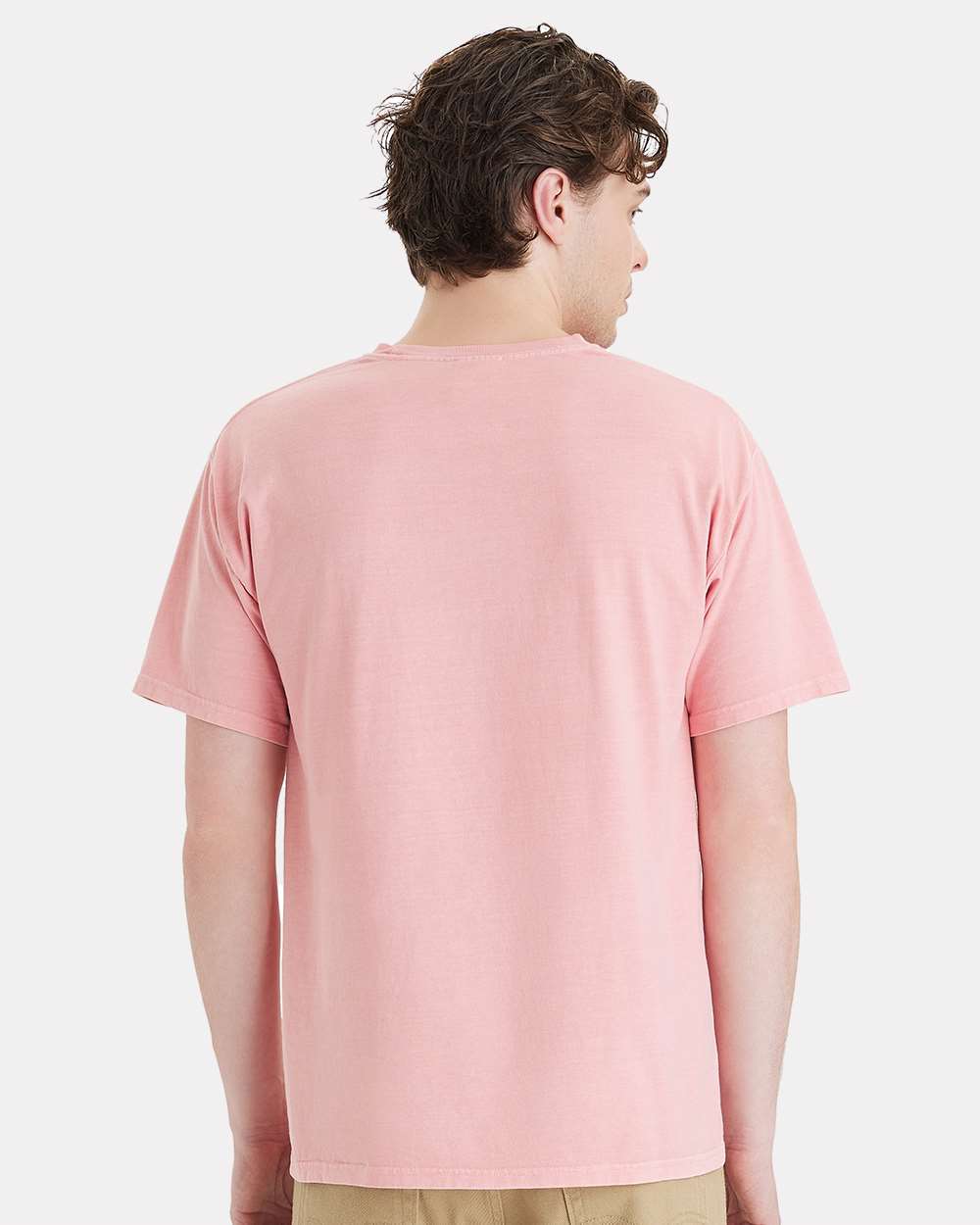
Dyed T-shirts

Traditional dyeing processes consume massive water volumes and release harmful chemicals. Our dyed T-shirts use low-impact dyes that require less water and create minimal pollution.

The result? Basic sustainable tees in rich colors that don't fade quickly or harm ecosystems.

What Makes ComfyThreads Sustainable Tees Different?

No Greenwashing

Greenwashing happens when brands present themselves as more sustainable than they really are through vague slogans and pretty pictures without actual sustainable work. We don't do that.

We provide clear information about materials, production methods, and certifications. Transparency matters more than marketing buzzwords.

Choose Quality Over Quantity

By investing in timeless styles and well-made staples, we reduce our environmental footprint while cultivating deeper connections to our clothes. That's true sustainability. Better to own five great tees than twenty mediocre ones.

Multiple Style Options

From classic crews to v-necks, long sleeves to tanks, our sustainable tees cover all your wardrobe needs. Building a conscious closet doesn't mean limiting choices.

Affordable Pricing

Many sustainable clothing brands strive to offer eco-friendly t-shirts at competitive prices. We believe conscious choices shouldn't require luxury budgets. After all, you’re paying for fabric, construction, and responsible production - not luxury logos or celeb endorsements. 

Ready to Make Better Choices?

Stop settling for fast fashion that falls apart or harms the planet. Start building a closet filled with sustainable tees that feel good and do good.

Shop Sustainable Tees at ComfyThreads and feel the difference conscious quality makes.

Browse Men's Tshirts | Browse Women's T-shirts | Shop Now
Buyer's Guide

What Actually Makes a T-Shirt Sustainable

Organic Cotton vs. Conventional Cotton

Conventional cotton uses significant amounts of synthetic pesticides and fertilizers, which have documented soil and water impacts. Organic cotton is grown without these synthetic inputs under certified growing standards such as GOTS (Global Organic Textile Standard). Organic cotton is not automatically softer or more durable than conventional cotton — the quality depends on the grade of fiber and the spinning process. What changes is the upstream environmental impact of how the fiber was produced. GOTS certification covers both the farming and the dyeing and finishing processes, which is important since conventional textile dyes are a significant source of water pollution.

Bamboo Viscose — The Eco-Friendly Fabric Worth Understanding

Bamboo as a plant grows without pesticides, regenerates without replanting, and sequesters significantly more carbon than the equivalent area of conventional crops. The fabric made from it — bamboo viscose — is genuinely softer than cotton, naturally breathable, and odor-resistant through a full day of wear. The nuance is in the manufacturing process: standard viscose production uses chemical solvents. Closed-loop production captures and reuses those chemicals rather than releasing them as waste, which is the cleaner option. If eco-friendly fabric is important to you, bamboo viscose is among the more honest choices available for everyday t-shirts — especially when the production method is transparent.

Durability is the Most Underrated Sustainability Factor

The most sustainable tee is one you wear for 5 years instead of 1. The carbon footprint of producing a garment is already spent by the time you buy it. Extending the useful life of that garment by 3-4x reduces the per-wear footprint dramatically. This means construction quality — seam strength, fabric durability, colorfast dyes, and neckline integrity — is as important to sustainability as material sourcing. A cheap organic cotton tee that wears out in a year is not more sustainable than a well-made conventional cotton tee that lasts five years.

What Certifications Actually Verify

GOTS (Global Organic Textile Standard) covers organic fiber content and restricts harmful chemicals in processing. OEKO-TEX Standard 100 certifies that the finished garment does not contain harmful substances — this covers even non-organic materials. Fair Trade certification addresses labor conditions and wages in manufacturing. B Corp certification covers broader business sustainability practices. Each certification addresses a different part of the supply chain. A brand making strong sustainability claims without any third-party certification should be approached with skepticism.

What You're Getting

How These Tees Are Built Differently

Certified Organic and Recycled Fibers

Materials are sourced from GOTS-certified organic cotton farms or post-consumer recycled fiber suppliers. Certifications are maintained and updated, not just claimed once and forgotten. You can ask for documentation.

No Harmful Chemical Finishes

Many conventional tees use formaldehyde-based wrinkle-resistant finishes or anti-microbial treatments with triclosan. These garments contain none of those chemical treatments. The softness is from the fiber and the wash process, not from coatings.

Construction Built for Longevity

Reinforced seams, taped shoulder construction, and reactive dyes that bond to the fiber rather than sitting on the surface. These are the construction choices that extend garment life beyond the industry average of 8-10 wears before the quality starts noticeably degrading.

Fabric Weight That Supports Durability

Thin organic cotton at 130-140g/m2 may use organic fiber but will wear out quickly with heavy use. These tees use fabric weights of 160-190g/m2 that provide the structural integrity needed for a 3-5 year lifespan with regular washing.

Honest Pricing That Reflects Real Costs

Organic cotton and certified recycled materials cost more than conventional alternatives. Manufacturing with fair labor standards costs more than conventional manufacturing. The prices in this collection reflect those actual costs, not an inflated premium for a marketing label.

What Our Customers Say

From Buyers Who Did Their Research

4.8 / 5 · 1200 Reviews
"I've been burned by brands claiming sustainability and then delivering thin, poor-quality tees. These are actually well-made. The fabric weight is substantial and the color has held after 2 years of regular washing. Worth the investment."
Elena W.
February 2025
Verified
"Bought 4 organic cotton styles. They were soft from day one and have gotten better with washing. I appreciate that the brand is specific about what certifications they hold rather than just using the word 'sustainable' as a marketing term."
David K.
January 2025
Verified
"Good quality and genuinely comfortable. The organic cotton variety has been wearing really well over 18 months. Docking one star because I wish there were more color options. The construction quality is excellent though."
Nadia F.
November 2024
Verified
"I specifically chose the organic cotton over the recycled poly blend after doing research on microplastics. Very happy with the quality. Fits well, feels good on skin, and has maintained its shape after a lot of washes."
Sam L.
March 2025
Verified

Frequently Asked Questions

Real Questions About Sustainable Clothing