
You know that feeling when you're four hours into a hot day, still in your cotton tee, and it's basically welded to your back? That's not a comfort problem. That's a fabric problem.
Cotton has been the default summer tee for decades. And it earned that position. It's breathable, affordable, and familiar. But "breathable" covers a lot of ground. In the specific context of summer heat and humidity, cotton has a ceiling. Once it gets wet, it stays wet. And it gets heavy.
Bamboo doesn't work that way.
This isn't about eco-friendly credentials or sustainable fashion points. This is a straight head-to-head on which fabric actually makes your summer more comfortable. Let's get into it.
What Cotton Does Well (And Where It Falls Apart)
Cotton is genuinely good. It breathes better than polyester, it's soft against the skin, and it's been proven over decades. If you're running errands in mild weather or going from an air-conditioned office to a car, cotton works fine.
The problem shows up on days that actually matter. Hot commutes. Outdoor events. Anything where you're moving and generating body heat. Cotton absorbs moisture and holds onto it. The fabric gets heavier. You start feeling the shirt on your skin in a way you didn't when you put it on at 8am. And once cotton's wet, there's no quick recovery. It stays damp until you change.
That's cotton's actual summer limitation. Not that it doesn't breathe. It does. But it doesn't evacuate moisture fast enough when things get real.
What Bamboo Does Differently
Bamboo fabric moves moisture. That's the core difference.
The micro-gaps in bamboo fiber pull sweat away from your skin and push it toward the surface of the fabric, where it evaporates. The technical term is moisture-wicking. But unlike polyester, which also wicks, bamboo does this without feeling synthetic or trapping heat against your body.
The result is a fabric that stays cooler longer, doesn't cling when you sweat, and recovers faster between sweat cycles. You can go from a walk in the sun to an indoor setting without looking like you just ran a 5K.
There's also the odor thing. Bamboo has natural antimicrobial properties that slow down odor development. Cotton doesn't. If you've ever worn a cotton tee through a long busy day, you know exactly how that ends. Bamboo stretches that window significantly.
And the softness. This one's hard to explain until you feel it. Bamboo has a natural smoothness to it. Not shiny, just smooth. It feels more expensive than it is. Against your skin all day, that difference adds up.
Side By Side: The Real Summer Test
| Feature | Cotton | Bamboo |
|---|---|---|
| Breathability | Good | Very good |
| Moisture management | Absorbs and holds | Wicks and evaporates |
| Weight when sweating | Gets heavy | Stays light |
| Odor resistance | Low | High (natural antimicrobial) |
| Softness over time | Thins out | Stays consistent |
| Shrinkage risk | High | Low |
The comparison isn't close for summer specifically. Winter or spring? Cotton's a solid option. But summer, where moisture management is the whole game? Bamboo wins.
When Cotton Still Makes Sense
Honest answer: cotton is still a great fabric for layering in cooler weather, casual wear on mild days, or when you need something that holds a heavy screen print well. Quality cotton tees in heavier GSM weights (180g+) also have a structure and firmness that some guys genuinely prefer over softer materials.
If you're not dealing with serious heat or physical activity, cotton is a perfectly reasonable choice. The issue is most guys default to cotton even when conditions call for something better. That's the habit worth breaking.
So Which One Do You Actually Need?
If you're building a summer wardrobe and have to pick, bamboo tees cover more situations better. You can wear a bamboo tee on a hot day, an active day, or a long day, and it holds up across all three. Cotton gives you one of those, maybe two.
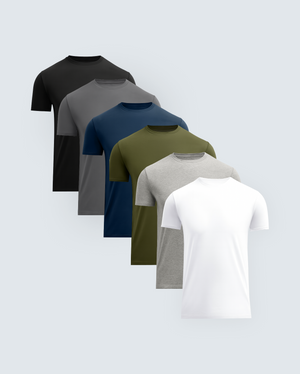
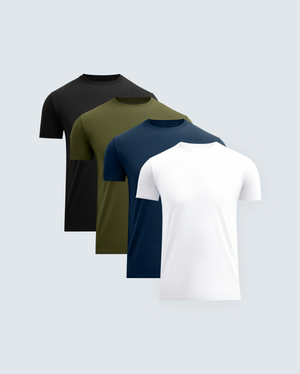
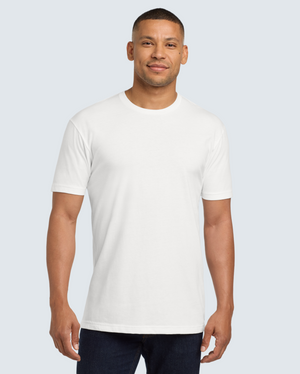
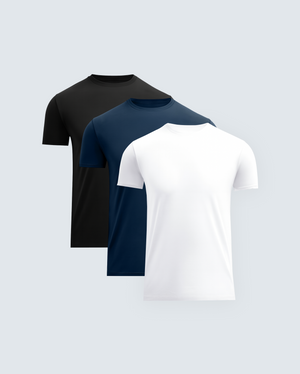
At ComfyThreads, our bamboo tees are OEKO-TEX certified, tested and verified free from harmful chemicals. Pre-shrunk, so what you see is what stays. And soft enough that you'll genuinely reach for them over everything else in your drawer.
Final Thoughts
Cotton isn't bad. It's just not built for summer the way bamboo is. If your summer days involve heat, movement, and time outside, bamboo is the smarter call. Not because of the sustainability angle, though that helps too. Because it keeps you more comfortable for longer.
Try one. Shop our bamboo tees and see how fast your cotton tees start collecting dust.
The natural odour resistance in bamboo viscose comes from bamboo kun, a bio-agent present in the fibre itself. Bamboo kun has bacteriostatic properties that inhibit the growth of odour-causing bacteria in the fibre. This is inherent to the bamboo viscose fibre structure, not a surface treatment, so the effect survives repeated washing rather than fading over time. ComfyThreads bamboo tees use a 70% bamboo viscose / 30% organic cotton blend at 5.3 oz/yd² — the cotton fraction adds tensile strength without reducing the breathability or antimicrobial properties of the bamboo portion.
FAQs
Is bamboo fabric better than cotton for hot weather?
For hot weather specifically, yes. Bamboo wicks moisture away from skin and dries faster than cotton. On a humid summer day, that difference is real. Cotton absorbs sweat and holds it. Bamboo moves it out.
Do bamboo t-shirts shrink like cotton?
Much less. Bamboo fibers are naturally more stable, and at ComfyThreads, our tees are made with pre-shrunk fabric. Cotton, especially at lower quality grades, can shrink noticeably after the first few washes.
Is bamboo fabric actually soft?
One of the softest at this price point. It has a smooth, almost silky texture that stays consistent over time. Cotton softens with washing too, but it also gets thinner and loses structure. Bamboo holds both.
Can bamboo t-shirts be worn year-round?
Yes. Bamboo is naturally temperature-regulating. It keeps you cool in summer and adds a light layer of warmth in cooler weather. As a standalone piece in spring and fall, it handles both ends without issue.
Are bamboo t-shirts worth the extra cost?
On a cost-per-wear basis, yes. A bamboo tee that stays soft, holds its shape, and doesn't need replacing every season will outperform a cheap cotton tee that fades and shrinks within a few months. The upfront price is slightly higher. The long-term cost is lower.
If you're still working out whether bamboo is right for your wardrobe, the full breakdown of what bamboo fabric actually is and how it's made is worth reading before you decide.



0 comments